

Key Takeaways
- Mulch reduces soil moisture loss by slowing surface evaporation, which means less frequent watering.
- A 2-3 inch mulch layer insulates roots from extreme heat in summer and hard freezes in winter.
- Organic mulch slowly decomposes, feeding beneficial soil microbes and improving soil structure over time.
- Mulch suppresses weeds by blocking the sunlight weed seeds need to germinate.
- Applying mulch too thick - more than 4 inches - can suffocate roots and trap excess moisture.
Garden Mulch
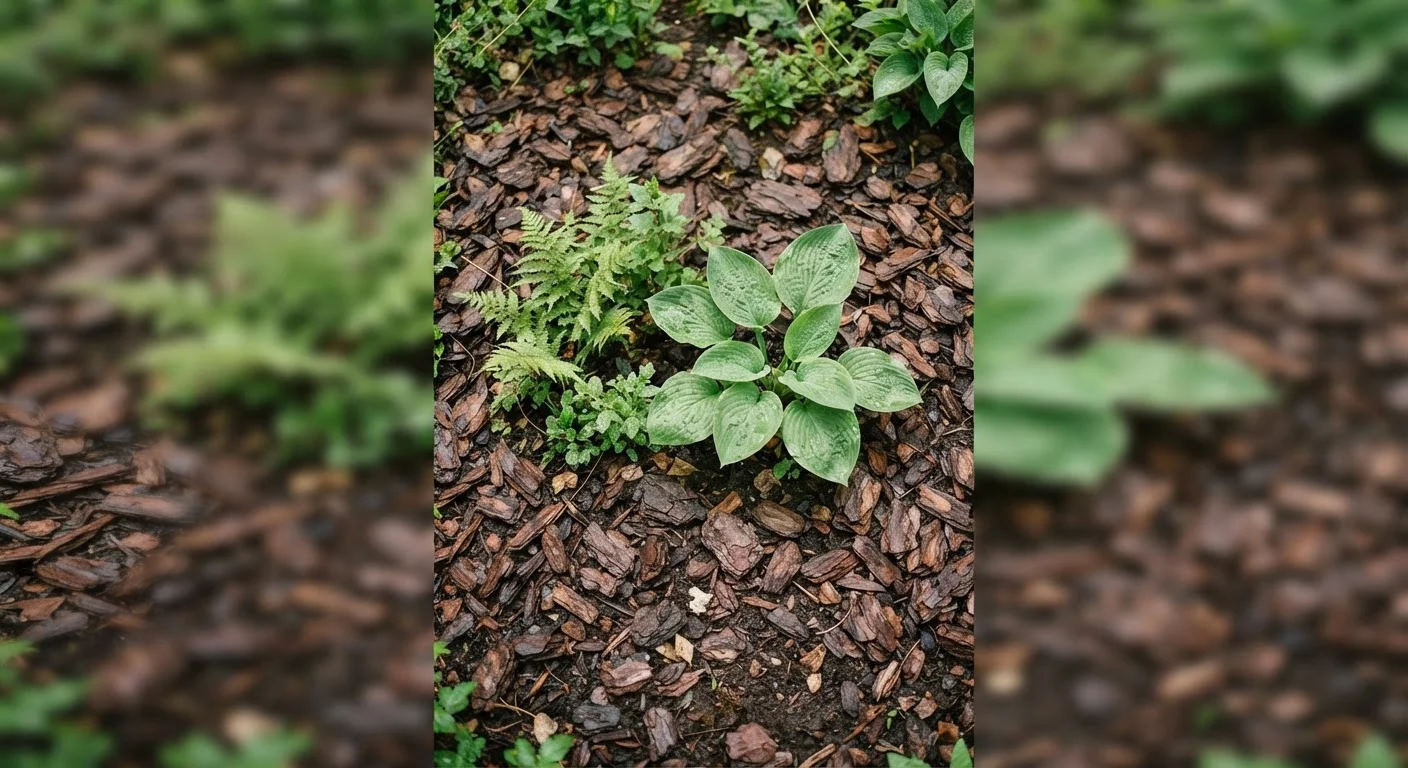
Mulch is any material - organic or inorganic - spread over the surface of soil in a garden bed or around plants. Its primary purpose is to protect and improve the growing environment by regulating temperature, holding moisture, and reducing competition from weeds. While it has obvious visual appeal, its most important effects happen at and below the soil surface.
Organic mulches such as wood chips, straw, and shredded leaves also undergo decomposition, gradually contributing organic matter and nutrients to the soil profile as microorganisms break them down.
Why Mulch Matters More Than Appearances Suggest
Walk through any well-maintained garden and you'll notice mulch - typically a tidy layer of wood chips, shredded bark, or straw circling plants and covering bare soil. Most homeowners apply it because it looks finished and clean. But the cosmetic effect is almost incidental to what mulch is actually doing at and just below the soil surface.
Understanding the mechanics behind mulch helps you apply it more strategically, choose the right type for your goals, and avoid common mistakes - like piling it too deep or positioning it where it traps moisture against vulnerable plant tissue. Whether you're gardening in raised beds or traditional ground plots, mulch plays a meaningful role in soil health. See our guide to raised beds vs. in-ground gardens if you're still deciding on your garden setup.
25-50%
Reduction in soil moisture loss with mulch
University cooperative extension research has found that mulched garden beds can lose significantly less water to evaporation compared to bare soil under similar conditions.
2-3 inches
Recommended mulch depth for most gardens
This depth range is consistently recommended by horticulturists as effective for moisture retention and weed suppression without risking oxygen deprivation to roots.
10°F or more
Soil temperature difference mulch can create
Research from land-grant university extension programs indicates mulched soil can run measurably cooler in summer heat compared to exposed, unmulched beds.
Moisture Retention: The Most Immediate Benefit
When bare soil is exposed to sun and wind, water evaporates from the surface quickly. A mulch layer physically interrupts that process, acting as a barrier between the soil and the air above it. Studies from university extension programs have consistently found that mulched soil retains significantly more moisture than unmulched soil under the same conditions - often reducing watering frequency noticeably during dry stretches.
This matters most in summer, when heat stress is already a threat to roots. It also means that rain or irrigation soaks in more effectively, rather than running off or evaporating before it can reach the root zone. For gardeners in drier climates or regions with watering restrictions, this single benefit alone often justifies mulching.
Temperature Regulation: Buffering Roots From Extremes
Soil temperature swings more dramatically when it's left bare. Mulch acts as insulation, moderating both high and low extremes. In summer, it reflects some heat and slows the warming of the soil beneath - keeping root zones cooler than they'd otherwise be on hot days. In late fall and winter, that same insulating layer slows how quickly stored ground heat escapes, protecting roots from sudden hard freezes.
This temperature buffering is especially valuable for perennial plants, which need to survive underground through winter. A 2-3 inch mulch layer applied in late fall gives roots a more stable environment as temperatures drop. Soil health plays a broader role in plant performance too - if you've noticed uneven growth or stressed patches in your yard, our article on what patchy lawns reveal about soil health is worth a read.
Weed Suppression and Soil Biology
Weed seeds need light to germinate. A mulch layer that's 2-3 inches deep blocks the sunlight that triggers germination, reducing - though not eliminating - weed pressure in your beds. Weeds that do emerge through mulch tend to be easier to pull, since the soil beneath stays looser and more consistently moist.
Below the surface, organic mulches contribute to a living soil ecosystem. As materials like wood chips and shredded leaves decompose, they feed bacteria, fungi, and other microorganisms that are essential to nutrient cycling. This slow decomposition also gradually improves soil structure over time - adding organic matter the way compost does, just more slowly. If you want to accelerate soil improvement alongside mulching, composting at home is a natural complement to explore.
Common Mistakes That Undercut Mulch's Benefits
Mulching incorrectly can neutralize the benefits - or cause outright harm. The most common error is applying too much. Layers deeper than 4 inches can prevent oxygen from reaching roots, trap excess moisture against plant crowns, and create ideal conditions for fungal disease. "Volcano mulching" - piling mulch in a cone shape against tree trunks - is a particularly widespread mistake that can damage bark and invite rot and pest activity over time.
Keep mulch a few inches away from the base of trees, shrubs, and perennials. Maintain a consistent 2-3 inch depth across the rest of the bed. Refresh organic mulch every one to two years as it decomposes rather than continuously stacking new material on old. For a deeper look at how different mulch materials compare in terms of performance, see our comparison of organic vs. inorganic mulch.