

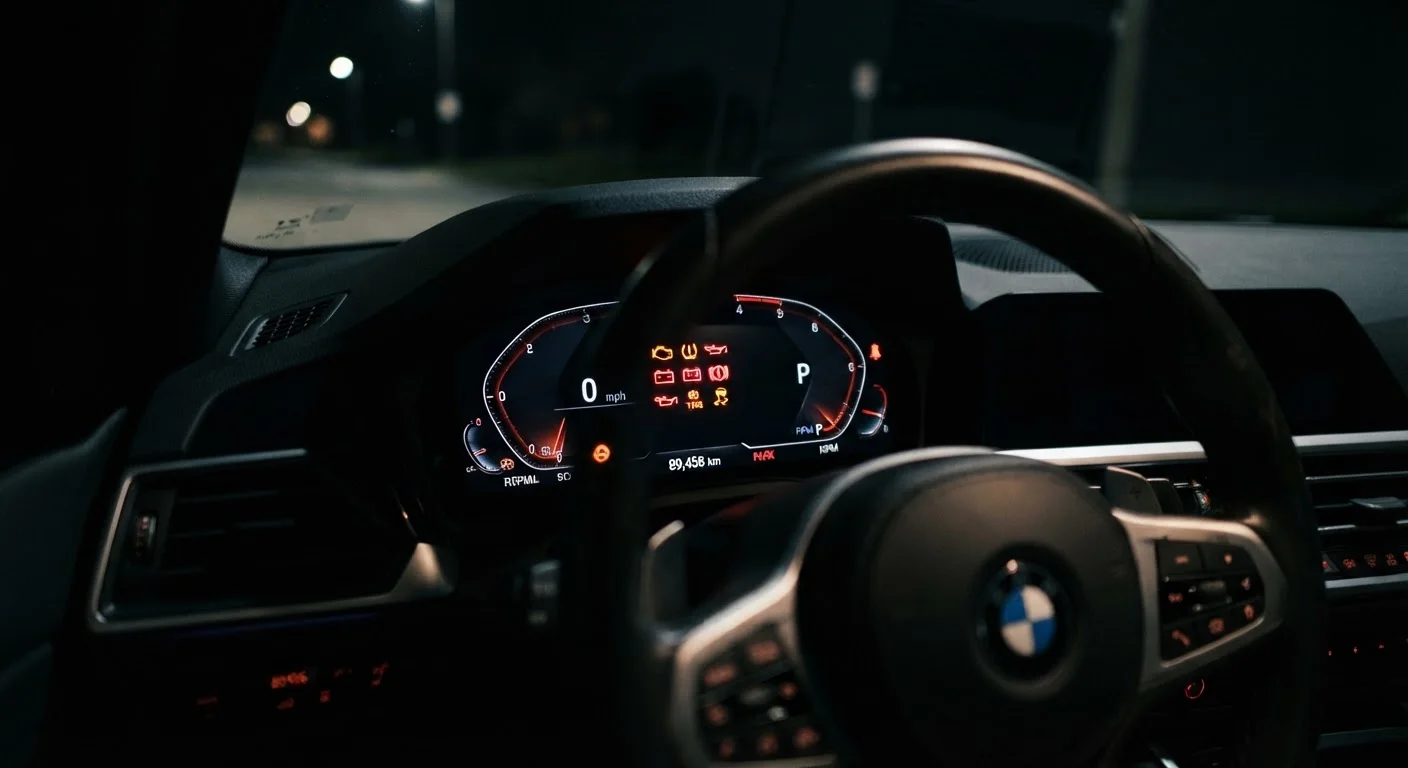
| Color: Red | Stop or act immediately - risk of damage or safety hazard |
| Color: Amber/Yellow | Attention needed soon - schedule service within days |
| Color: Green/Blue | Informational - system active, no action needed |
| Flashing Check Engine | Active engine misfire - reduce speed and seek service immediately |
| OBD-II Code Reader | Reveals the fault code behind a check engine light; available at most auto parts retailers |
| TPMS Trigger Threshold | Activates when a tire is 25% or more below recommended pressure (U.S. NHTSA standard) |
Why Warning Lights Exist - and Why They Matter
Modern vehicles are equipped with an OBD system that continuously monitors dozens of sensors throughout the engine, transmission, brakes, and emissions components. When a sensor detects a reading outside the normal range, it triggers a warning light on your dashboard. Think of these lights as your car's way of flagging a conversation it needs to have with you.
The problem is that most drivers either panic at every light or ignore them entirely - neither approach serves you well. Understanding the severity level behind each symbol is what separates a calm, informed response from an expensive mistake. For a deeper look at specific symbols and the conditions that trigger them, see our full dashboard warning light decoder.
| Color: Red | Stop or act immediately - risk of damage or safety hazard |
| Color: Amber/Yellow | Attention needed soon - schedule service within days |
| Color: Green/Blue | Informational - system active, no action needed |
| Flashing Check Engine | Active engine misfire - reduce speed and seek service immediately |
| OBD-II Code Reader | Reveals the fault code behind a check engine light; available at most auto parts retailers |
| TPMS Trigger Threshold | Activates when a tire is 25% or more below recommended pressure (U.S. NHTSA standard) |
How to Read Warning Light Urgency by Color
Color coding is the fastest way to gauge how quickly you need to act. While every manufacturer uses slightly different icons, the color system is broadly consistent across vehicles sold in the U.S.
- Red: Stop or act immediately. Red lights indicate conditions that can cause engine damage, brake failure, or safety risk if you continue driving. Pull over safely when it is possible to do so.
- Amber/Yellow: Attention required soon. These lights signal a developing issue - often emissions, traction, or a sensor fault - that won't strand you today but needs professional diagnosis within a few days.
- Green or Blue: Informational only. These confirm that a system is active (high beams, turn signals, cruise control) and require no action.
One important caveat: some lights appear amber initially but turn red if the condition worsens. Never assume a light has stabilized without having it checked.
OBD-II
Onboard Diagnostics second generation - a standardized system required on all U.S. passenger vehicles since 1996 that monitors emissions and engine performance, storing fault codes when sensors detect abnormalities.
Malfunction Indicator Lamp (MIL)
The technical name for the check engine light. It illuminates when the OBD system detects a fault affecting emissions or engine operation.
TPMS
Tire Pressure Monitoring System - a federally mandated sensor network that alerts drivers when tire pressure drops to an unsafe level.
Fault Code (DTC)
A Diagnostic Trouble Code stored by the OBD-II system. Each alphanumeric code corresponds to a specific sensor, circuit, or system fault and helps technicians pinpoint the source of a problem.
The Most Common Lights Drivers Encounter
Here is a plain-language reference for the warning lights most drivers will see at some point during ownership.
- Check Engine (Malfunction Indicator Lamp)
- Covers a broad range of issues from a loose gas cap to a failing catalytic converter. A steady light usually means a non-emergency fault; a flashing light indicates active engine misfiring and warrants immediate attention to avoid catalytic converter damage.
- Oil Pressure Warning
- This is a red light that demands you stop driving as soon as it is safe. Low oil pressure can cause catastrophic engine damage within minutes. Check the oil level first; if it's adequate, do not restart and call for assistance.
- Battery / Charging System
- Signals that the battery is not charging properly - commonly a failing alternator or a worn drive belt. You may have limited driving time before the electrical system loses power entirely.
- Tire Pressure Monitoring System (TPMS)
- One or more tires are significantly underinflated. Check all four tires with a gauge and inflate to the pressure listed on the sticker inside the driver's door jamb - not the number on the tire sidewall.
- Brake System Warning
- Could mean the parking brake is engaged, brake fluid is low, or there is a fault in the hydraulic system. Low brake fluid can indicate worn pads or a leak - either scenario warrants prompt inspection. For related context, see what brake noises signal about your stopping system.
- Temperature Warning
- Engine coolant has reached a dangerously high temperature. Stop driving immediately, allow the engine to cool, and check the coolant reservoir. Do not open the radiator cap on a hot engine. Learn more about coolant and other critical fluids in our guide to under-hood fluids.
When to Drive On vs. When to Stop Now
Not every warning light means you need a tow truck, but certain combinations or conditions always do. As a general rule:
- Pull over immediately if you see a red oil pressure light, red temperature warning, or a flashing check engine light - especially if accompanied by unusual sounds, smells, or reduced power.
- Drive to a shop soon (within a day or two) for a steady check engine light, TPMS alert, or amber traction control warning with no obvious road-condition cause.
- Schedule service at your next maintenance interval for informational lights like a service reminder or low washer fluid alert.
When in doubt, consult your owner's manual. It contains a section dedicated to your vehicle's specific warning symbols and recommended responses - a resource that many drivers overlook entirely. Understanding how to read your owner's manual maintenance schedule can also help you stay ahead of issues before they ever trigger a light.
If a light appears and you're unsure, most auto parts retailers offer free OBD-II code reading, which can at least tell you which system triggered the check engine light before you commit to a repair.