

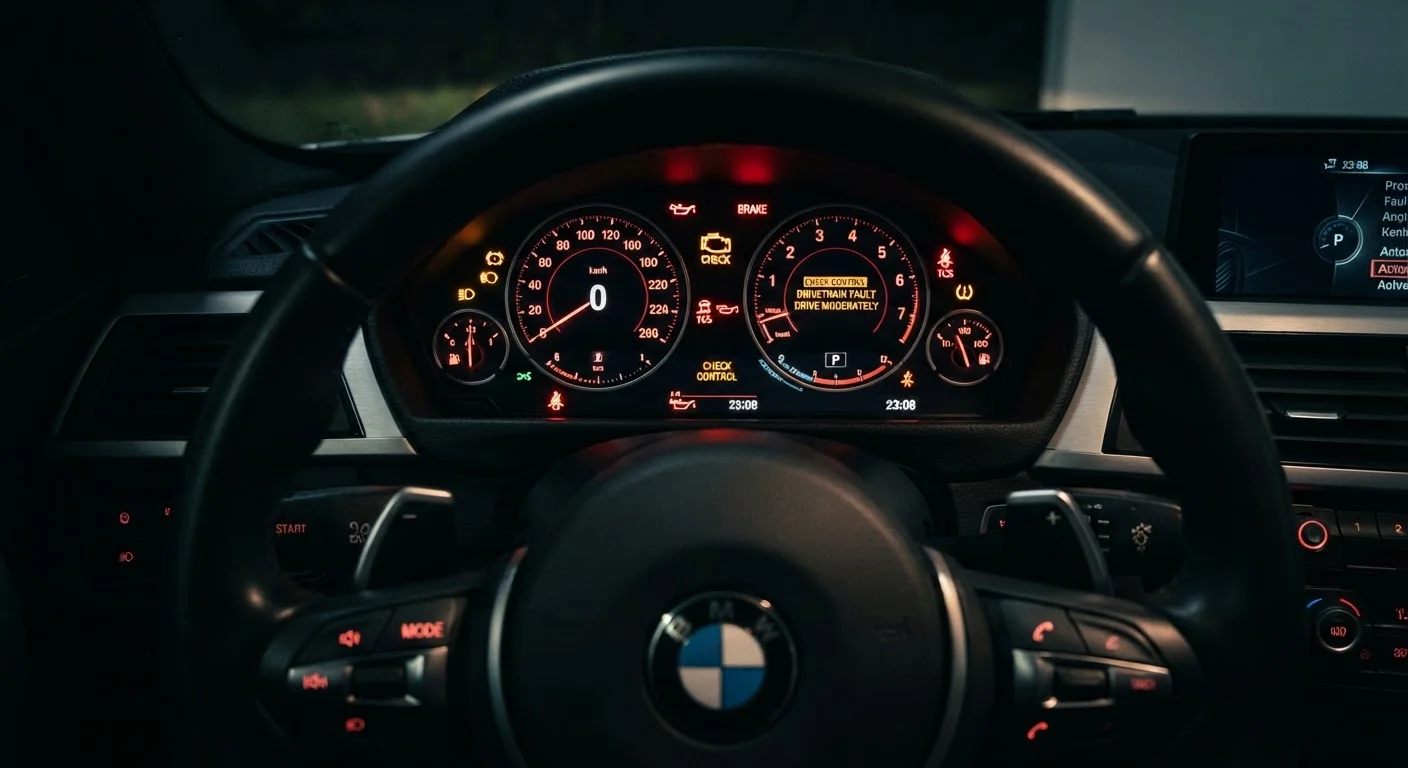
| Red lights mean | Stop or act immediately - a system critical to safe operation is at risk |
| Amber/yellow lights mean | A developing issue - schedule service soon, typically within days |
| Flashing check engine light | More urgent than a steady light - indicates an active engine misfire |
| TPMS trigger threshold | Typically 25% below recommended tire pressure (U.S. NHTSA TPMS regulation standard) |
| Scan tool diagnostic | Reads fault codes behind warning lights - available at most repair shops |
| Owner's manual | Lists every warning light specific to your vehicle's make, model, and year |
Why Dashboard Lights Exist - and Why They're Often Ignored
Modern vehicles monitor dozens of systems simultaneously and communicate problems through dashboard warning lights. Despite this, many drivers admit to driving for days - or weeks - with an illuminated light they don't fully understand. That gap between a lit symbol and an informed response is exactly where costly repairs and genuine safety risks develop.
Warning lights fall into two broad categories: red lights, which signal immediate action is needed, and amber or yellow lights, which typically indicate a developing issue that needs attention soon but doesn't require you to pull over instantly. A blue or green light is generally informational - indicating a feature is active, not a problem. Understanding this color logic alone gives you a meaningful head start.
For deeper context on how your vehicle's maintenance intervals relate to these alerts, see how to read your owner's manual maintenance schedule.
| Red lights mean | Stop or act immediately - a system critical to safe operation is at risk |
| Amber/yellow lights mean | A developing issue - schedule service soon, typically within days |
| Flashing check engine light | More urgent than a steady light - indicates an active engine misfire |
| TPMS trigger threshold | Typically 25% below recommended tire pressure (U.S. NHTSA TPMS regulation standard) |
| Scan tool diagnostic | Reads fault codes behind warning lights - available at most repair shops |
| Owner's manual | Lists every warning light specific to your vehicle's make, model, and year |
The Warning Lights You're Most Likely to See
Here's a reference-style breakdown of the most common dashboard indicators and what they actually signal:
- Check Engine Light (amber engine icon): One of the most misunderstood lights on any dashboard. It doesn't mean your engine is about to fail - it means the vehicle's onboard diagnostic system has detected an issue with the engine, emissions system, or related sensors. Causes range from a loose gas cap to a failing catalytic converter. A solid amber light generally means schedule a diagnostic soon; a flashing check engine light signals a more urgent misfire that can damage the catalytic converter and warrants stopping driving soon.
- Oil Pressure Warning (red oil can icon): This light indicates your engine isn't receiving adequate oil pressure - not that you're simply low on oil. Continuing to drive can cause rapid, severe engine damage. Pull over safely and check your oil level. If the level is fine but the light stays on, have the vehicle inspected immediately.
- Battery / Charging System (red battery icon): Signals the electrical charging system isn't functioning properly. Your car may be running on battery reserve only. Turn off non-essential electronics and drive directly to a repair facility - you may have limited time before the vehicle stalls.
- Brake System Warning (red exclamation in circle): Can indicate the parking brake is engaged, low brake fluid, or a fault in the braking system. If the parking brake is off and the light persists, treat it as urgent. Low brake fluid often points to worn brake pads or a leak. For more on brake warning signs, see what brake noises and warnings mean for safety.
- Tire Pressure Monitoring System - TPMS (amber flat tire icon): One or more tires have dropped below the manufacturer's recommended pressure. Check all four tires with a gauge; don't rely on a visual inspection. Underinflated tires affect handling and fuel economy, and in extreme cases contribute to blowouts. See how tire conditions relate to blowouts and road hazards.
- Temperature Warning (red thermometer in liquid): Your engine is overheating. This is a red-category emergency. Pull over safely, turn off the engine, and do not open the hood immediately - hot coolant under pressure can cause burns. Do not remove the radiator cap while the engine is hot. For fluid-level context, our fluids guide explains what coolant does and when it needs attention.
OBD-II Diagnostic Code
A standardized code stored by your vehicle's onboard diagnostic system when a sensor detects a fault. Mechanics read these codes with a scan tool to pinpoint the cause of a warning light.
TPMS
Tire Pressure Monitoring System - a sensor-based system that alerts the driver when one or more tires drop significantly below the recommended inflation pressure.
Oil Pressure
The force at which engine oil circulates through the engine's lubrication system. Low oil pressure - not just low oil level - triggers the warning light and can cause rapid engine damage if ignored.
Catalytic Converter
An emissions control device in the exhaust system that converts harmful combustion byproducts into less harmful gases. A misfiring engine can overheat and permanently damage it.
Charging System
The combination of the alternator, battery, and connecting wiring that keeps your vehicle's electrical systems powered while the engine runs. A fault here means the battery may not be recharging.
Misfire
A condition where one or more engine cylinders fail to ignite fuel properly. A flashing check engine light often indicates an active misfire that can harm the catalytic converter and reduce engine performance.
When to Stop Immediately vs. Schedule an Appointment
Not every warning light demands you pull over on the shoulder of the highway - but some absolutely do. Use this framework to guide your response:
Stop driving as soon as safely possible: Oil pressure warning, engine temperature warning, brake system warning (with no parking brake explanation), or any red light you cannot immediately identify.
Drive carefully to a shop within 24-48 hours: Battery light (if the car is running normally), a steady - not flashing - check engine light, or a TPMS light with a tire you can physically inspect and re-inflate.
Schedule service within the week: Maintenance reminder lights (oil life, service due), emissions-related amber lights on a car running normally, or traction control indicators that appeared briefly during a skid and then cleared.
One important principle: when in doubt, treat an unfamiliar light as urgent until confirmed otherwise. A qualified mechanic can run a diagnostic scan - often in minutes - to pull the specific fault code behind any check engine or system warning light. That information is far more reliable than assumptions.
This article provides general vehicle information for educational purposes. Always consult a qualified mechanic for diagnosis and repair of specific vehicle issues.