

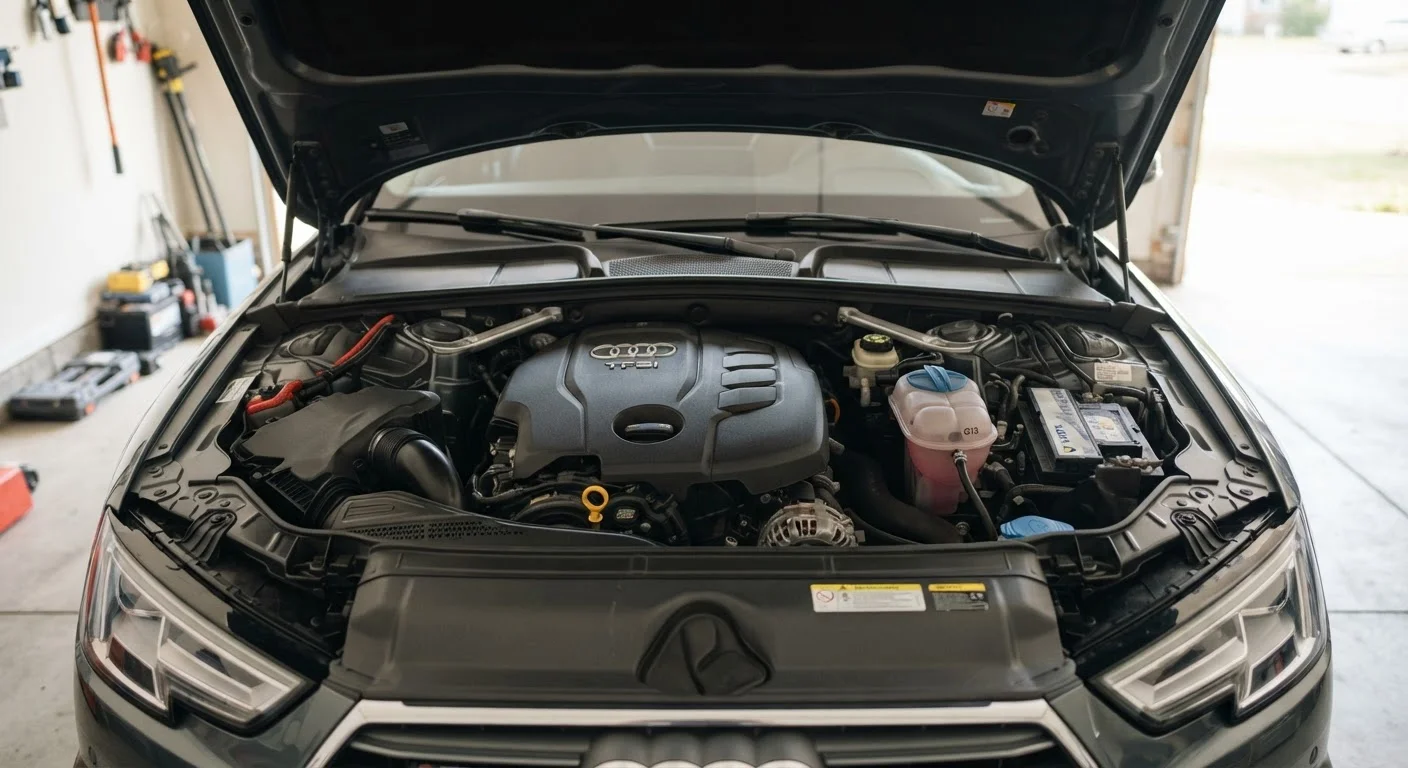
| Number of core vehicle fluids | 6 main fluids |
| Typical oil change interval | 5,000-10,000 miles (Varies by vehicle and oil type; consult owner's manual) |
| Brake fluid replacement frequency | Every ~2 years (General manufacturer guidance; check your manual) |
| Coolant change interval | Every 30,000-50,000 miles (Varies significantly by vehicle make and coolant type) |
| Fluid check that requires a cold engine | Coolant/antifreeze (Opening a hot pressurized system risks serious burns) |
| Fluid that absorbs moisture over time | Brake fluid (Hygroscopic nature lowers boiling point, affecting safety) |
Why Vehicle Fluids Matter
Your car is a system of systems, and nearly every major one depends on a fluid to function. These liquids lubricate moving parts, transfer heat, transmit force, and protect components from corrosion and wear. When any one of them is low, degraded, or contaminated, performance suffers - and so can safety.
Understanding what each fluid does and what warning signs to watch for puts you in a stronger position as a driver and owner. You don't need to be a mechanic to keep tabs on your vehicle's fluid health - just a basic familiarity with what's under the hood. For a broader look at ownership fundamentals, the Car Ownership Basics hub is a useful starting point.
| Number of core vehicle fluids | 6 main fluids |
| Typical oil change interval | 5,000-10,000 miles (Varies by vehicle and oil type; consult owner's manual) |
| Brake fluid replacement frequency | Every ~2 years (General manufacturer guidance; check your manual) |
| Coolant change interval | Every 30,000-50,000 miles (Varies significantly by vehicle make and coolant type) |
| Fluid check that requires a cold engine | Coolant/antifreeze (Opening a hot pressurized system risks serious burns) |
| Fluid that absorbs moisture over time | Brake fluid (Hygroscopic nature lowers boiling point, affecting safety) |
The Six Core Fluids and What They Do
Engine Oil
Engine oil lubricates the hundreds of metal parts inside your engine that move at high speed and under enormous heat. Without it, those parts grind against each other and fail quickly. Oil also carries microscopic debris away from critical surfaces and delivers it to the filter. Over time, oil breaks down and becomes contaminated - which is why regular oil changes matter. Most vehicles call for a change every 5,000 to 10,000 miles, but your owner's manual is the authoritative source for your specific engine.
Coolant (Antifreeze)
Coolant circulates through the engine and radiator to regulate temperature. It prevents the engine from overheating in summer and from freezing in winter. Coolant also inhibits corrosion inside the cooling system. It should be checked regularly and replaced on the interval your manufacturer specifies - typically every 30,000 to 50,000 miles or every few years. Low coolant is a serious concern; an overheating engine can cause permanent damage in minutes.
Brake Fluid
Brake fluid is a hydraulic fluid that transfers the force from your foot on the pedal to the brake components at each wheel. It operates under high pressure and extreme heat. Critically, brake fluid is hygroscopic - it absorbs moisture from the air over time. That moisture lowers the fluid's boiling point, which can cause brake fade under hard use. Brake fade is a real safety hazard. Most manufacturers recommend a brake fluid flush every two years regardless of mileage.
Transmission Fluid
Transmission fluid lubricates the gears and internal components of your transmission, whether automatic or manual. It also acts as a hydraulic fluid in automatic transmissions, helping control gear changes. Dark, burnt-smelling fluid is a sign it's overdue for service. Intervals vary widely - consult your owner's manual rather than relying on general rules. Neglecting transmission fluid is one of the costlier maintenance mistakes a driver can make.
Power Steering Fluid
In vehicles with hydraulic power steering, this fluid transmits pressure from the pump to the steering gear, making the wheel easy to turn. Low fluid often shows up as a whining noise when steering or a heavier-feeling wheel. Many newer vehicles use electric power steering and have no fluid reservoir at all - check your manual to confirm.
Windshield Washer Fluid
The only fluid here that doesn't affect mechanical performance, washer fluid keeps your windshield clear. Never substitute water - it can freeze in the reservoir and lines, and it doesn't cut through road grime the way washer fluid does. This is also the simplest fluid to top off yourself.
Hydraulic fluid
A liquid used to transfer force within a closed system. In vehicles, brake fluid and power steering fluid are both hydraulic fluids - pressure applied at one end is transmitted through the fluid to create mechanical action at the other.
Hygroscopic
Describes a substance that absorbs moisture from the surrounding air. Brake fluid is hygroscopic, which is why it degrades over time even in a sealed system and must be periodically replaced.
Viscosity
A measure of a fluid's resistance to flow. Engine oil viscosity ratings (such as 5W-30) indicate how the oil flows at cold start and at operating temperature. Using the correct viscosity for your engine is important for proper lubrication.
Coolant flush
A service that removes old coolant from the cooling system and replaces it with fresh fluid. Over time, coolant loses its corrosion inhibitors and becomes acidic, which can damage hoses, the radiator, and the water pump.
Dipstick
A long, slender metal rod inserted into the engine oil reservoir that allows you to check the oil level and condition without opening the engine. Most dipsticks have two marks indicating minimum and maximum safe oil levels.
Checking Fluids and Knowing When to Act
Most fluid reservoirs are translucent with min/max markings, making a visual check straightforward. Engine oil is checked via the dipstick with the engine off and the car on level ground. Coolant should only be checked when the engine is cold - opening a pressurized hot cooling system can cause serious burns.
Fluid condition matters as much as level. Engine oil on the dipstick should be amber to light brown; black, gritty oil is overdue for a change. Brake fluid should be nearly clear to pale yellow; dark fluid signals degradation. Transmission fluid on many vehicles is red when new and darkens with age and heat.
Dashboard warning lights are one of the most direct signals your car sends when something is wrong. If a low oil pressure or temperature warning illuminates, address it immediately - don't continue driving. Understanding warning lights helps you prioritize which alerts demand immediate attention versus which can wait for a scheduled appointment.
Some drivers flush fluids more frequently than necessary based on outdated or overstated advice. Before paying for an early service, it's worth reviewing common maintenance myths that cost drivers money without a clear benefit.
When in doubt about a fluid's condition or an unusual leak, consult a qualified mechanic. Fluid leaks - identified by puddles or stains under your parked car - should always be investigated. The color and location of a leak often point to the source: reddish fluid near the front suggests transmission or power steering fluid; green or orange near the front points to coolant; dark brown anywhere is likely oil.