

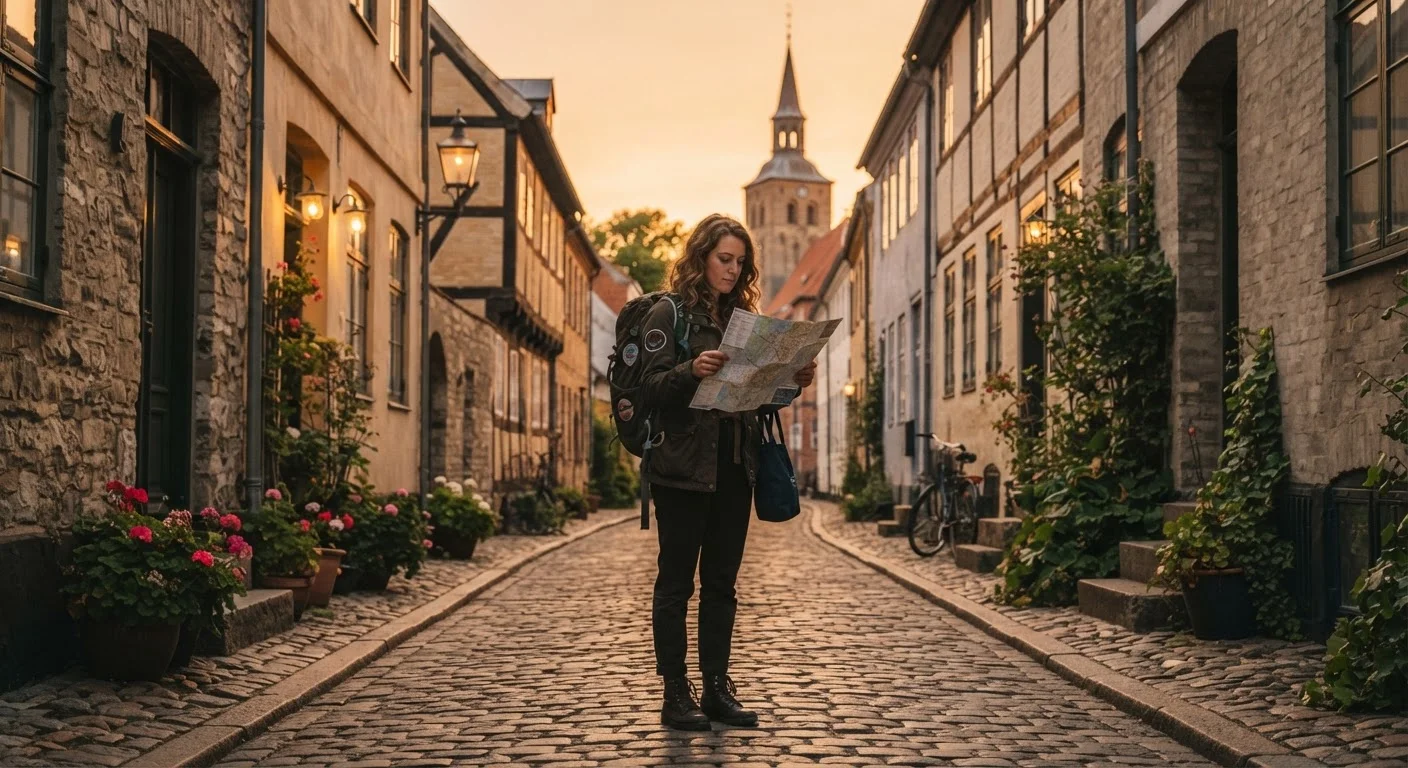
Key Takeaways
- Solo international travel offers unmatched flexibility but also places all logistics on one person.
- Safety, loneliness, and higher solo costs are real challenges that deserve honest consideration.
- Destinations vary widely in how welcoming and navigable they are for first-time solo travelers.
- Daily rhythms abroad alone feel different from group travel-slower in some ways, faster in others.
- Preparation and communication habits significantly shape how safe and enjoyable the experience is.
Complete control over your itinerary every day
You can linger in a city longer, skip a hyped attraction without debate, or change plans entirely based on a tip from someone you met at breakfast. No compromise required.
Stronger tendency to meet locals and other travelers
Traveling without a built-in social buffer encourages more openness. Solo travelers frequently report more authentic interactions with locals than they experience when traveling in groups.
Develops practical confidence and problem-solving skills
Navigating logistics, language barriers, and unexpected situations alone builds a kind of competence that carries well beyond travel. Many solo travelers describe it as genuinely transformative.
Pace is entirely self-determined
Some days you'll cover a lot of ground; others you'll do almost nothing. Without coordinating with others, your energy level - not a group consensus - sets the rhythm.
Deep engagement with destinations you choose
When you pick where to go based entirely on your own interests, you tend to engage more meaningfully - whether that's street food exploration, architecture, hiking, or live performance.
Higher per-person costs without anyone to split expenses
Single occupancy room rates, private transport, and solo dining often cost significantly more per person than the same expenses divided among travel companions. Budget planning needs to account for this.
No built-in support when things go wrong
Illness, theft, or a logistical crisis is harder to manage alone. There's no one to watch your bags while you handle a problem or to help think through options in a stressful moment.
Loneliness is a genuine factor, not just a myth
Extended solo travel can be emotionally tiring, particularly during meals, evenings, or when something exciting happens and there's no one nearby to share it with.
Safety considerations require more active management
Solo travelers, particularly in unfamiliar environments, need to be more deliberate about situational awareness, communication with people at home, and understanding local norms.
All logistics fall on one person
Research, bookings, navigation, language translation, and problem-solving are entirely your responsibility. This is manageable but can be mentally fatiguing over a long trip.
Our Verdict
Solo international travel is genuinely rewarding for people who value autonomy and are comfortable managing uncertainty. The day-to-day experience is richer and more challenging than either its romanticized reputation or its cautionary warnings suggest. It rewards those who prepare carefully and go in with realistic expectations.
Best suited to adults who are self-directed planners, comfortable with solitude, and willing to take on the logistical weight of traveling without a built-in support system.
What a Typical Day Abroad Alone Actually Looks Like
Strip away the Instagram version, and a solo day abroad looks something like this: you wake up without anyone to negotiate breakfast plans with, which is either liberating or a little quiet, depending on your mood. You decide on the fly whether to hit a museum, wander a market, or just sit in a café and watch the city move. Nobody is waiting. Nobody is frustrated. The day is entirely yours to shape.
That freedom is real - and so is the weight of it. Every decision, from navigating public transit to choosing a neighborhood restaurant, rests with you. When something goes sideways - a missed train, a wallet misplaced, a hostel that looks nothing like its photos - there's no travel companion to split the problem-solving with. You figure it out, which is often how solo travelers describe their greatest growth moments, and also their most exhausting ones.
For a fuller picture of how solo travel compares structurally to traveling with others, see our comparison of solo vs. group travel planning.
The Real Advantages of Going It Alone
Solo international travel has earned its devoted following for concrete reasons, not just wanderlust mythology.
Complete control over your itinerary every day
You can linger in a city longer, skip a hyped attraction without debate, or change plans entirely based on a tip from someone you met at breakfast. No compromise required.
Stronger tendency to meet locals and other travelers
Traveling without a built-in social buffer encourages more openness. Solo travelers frequently report more authentic interactions with locals than they experience when traveling in groups.
Develops practical confidence and problem-solving skills
Navigating logistics, language barriers, and unexpected situations alone builds a kind of competence that carries well beyond travel. Many solo travelers describe it as genuinely transformative.
Pace is entirely self-determined
Some days you'll cover a lot of ground; others you'll do almost nothing. Without coordinating with others, your energy level - not a group consensus - sets the rhythm.
Deep engagement with destinations you choose
When you pick where to go based entirely on your own interests, you tend to engage more meaningfully - whether that's street food exploration, architecture, hiking, or live performance.
Perhaps most underrated: the depth of interaction. Without a companion to default to, solo travelers are more likely to strike up conversations with locals, other travelers, and hostel staff. Many people describe friendships forged over a shared meal in a foreign city as among their most meaningful travel memories. When you're not already socially satisfied by a travel partner, you seek connection - and often find it in unexpected places.
If you're weighing these benefits for the first time, our balanced look at solo travel's advantages and drawbacks offers additional context.
The Honest Disadvantages Worth Weighing
Balanced planning means seeing the challenges clearly, not just the highlights.
Higher per-person costs without anyone to split expenses
Single occupancy room rates, private transport, and solo dining often cost significantly more per person than the same expenses divided among travel companions. Budget planning needs to account for this.
No built-in support when things go wrong
Illness, theft, or a logistical crisis is harder to manage alone. There's no one to watch your bags while you handle a problem or to help think through options in a stressful moment.
Loneliness is a genuine factor, not just a myth
Extended solo travel can be emotionally tiring, particularly during meals, evenings, or when something exciting happens and there's no one nearby to share it with.
Safety considerations require more active management
Solo travelers, particularly in unfamiliar environments, need to be more deliberate about situational awareness, communication with people at home, and understanding local norms.
All logistics fall on one person
Research, bookings, navigation, language translation, and problem-solving are entirely your responsibility. This is manageable but can be mentally fatiguing over a long trip.
Safety deserves particular attention for solo travelers abroad. This doesn't mean danger is inevitable - it means that awareness, communication habits, and destination research matter more when you're alone. Letting someone at home know your itinerary, understanding local emergency numbers, and keeping digital copies of important documents are practical steps, not paranoia. Always verify current travel advisories and entry requirements through official government sources before departure.
Verify Safety and Entry Information Before You Go
Travel advisories, visa policies, vaccination requirements, and local laws change regularly and vary significantly by destination. Do not rely solely on travel blogs or past traveler accounts for this information. Always check official sources - your government's foreign affairs or state department travel advisory pages, and the embassy or consulate of your destination country - well ahead of your departure date.
Choosing Destinations That Work Well for Solo Travelers
Not every destination presents the same experience for a solo traveler. Factors like infrastructure, English-language accessibility, safety reputation, and social scene at accommodation all affect how the day-to-day feels on the ground.
Countries with well-developed backpacker infrastructure - such as parts of Southeast Asia, Japan, Portugal, and New Zealand - tend to offer easier entry points for solo travelers. Hostel common areas, organized day tours, and traveler-friendly transit systems reduce friction and create natural opportunities for connection. That said, "easier" doesn't mean "better for everyone" - some travelers find deeply rewarding solo experiences in places that require more planning and language effort.
Our region-wide overview of Southeast Asia for first-time international travelers and comparison of Japan and South Korea as travel destinations both dig into what solo travelers can specifically expect on the ground.
~25%
Share of international leisure travelers going solo
Industry travel surveys have consistently found that roughly one in four international leisure travelers describes their trip as solo, reflecting how common the choice has become.
18-35
Age range most represented in solo travel
While solo travel spans all age groups, younger adults in this range have historically made up the largest share of solo international travelers, though older demographics are growing.
Practical Habits That Shape the Experience
How you prepare before departure has an outsized effect on what daily life abroad feels like. A few habits consistently make the difference:
- Stay connected reliably. Navigating, translating, and communicating in an emergency all require a working phone. Research your options before leaving - our guide on staying connected abroad without an unexpected phone bill covers the key choices.
- Build in flexibility. Solo travel schedules that are over-packed tend to generate stress rather than joy. Leaving gaps allows for the spontaneous moments that solo travelers cite as the best parts of the experience.
- Understand entry and documentation requirements. Visas, passport validity windows, and vaccination requirements vary by destination and change over time. Always verify with official government and embassy sources well before travel.
For those approaching their first international trip, our ground-up international trip planning guide and first-time traveler's orientation cover the foundational logistics in detail.