

Key Takeaways
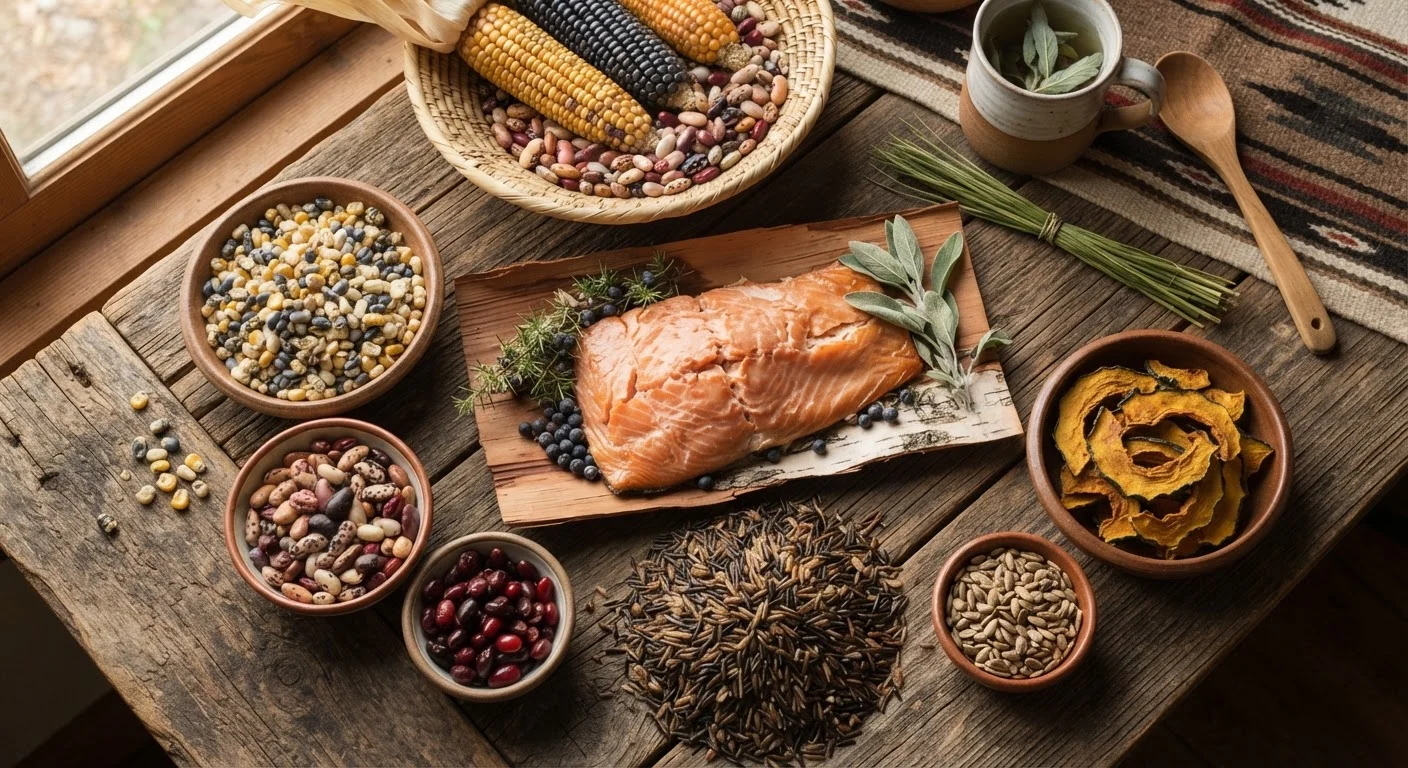
- Native American food traditions predate European contact by thousands of years and shaped the American diet more than most people realize.
- The Three Sisters - corn, beans, and squash - remain foundational crops in American agriculture and cooking.
- Indigenous chefs and food scholars are actively reclaiming and reintroducing traditional ingredients and techniques.
- Modern dishes like fry bread have complex histories tied to colonization and survival.
- Recognizing Indigenous culinary roots is part of a broader cultural reckoning in American food and arts.
Indigenous Food Traditions
Indigenous food traditions refer to the culinary practices, ingredients, and food knowledge developed over thousands of years by Native American peoples across North America. These traditions include cultivation methods, preservation techniques, seasonal harvesting, and the cultural meanings attached to specific foods. They form one of the oldest and most ecologically informed food systems on the continent.
Scholars use the term 'Traditional Ecological Knowledge' (TEK) to describe the deep understanding of local ecosystems embedded in Indigenous food practices - knowledge that is increasingly studied by agronomists and food scientists.
A Foundation Hidden in Plain Sight
Long before European colonizers arrived, hundreds of distinct Native nations had developed sophisticated, sustainable food systems across North America. The ingredients they cultivated and harvested - corn, beans, squash, tomatoes, chile peppers, wild rice, sunflower seeds, and more - became the backbone of the global food supply. Yet the Indigenous origins of these foods are frequently overlooked in mainstream American food culture.
Understanding how Indigenous culinary traditions have shaped, and continue to shape, what Americans eat requires looking beyond recipe books. It means exploring agricultural knowledge, ecological stewardship, and the complex history of how Native foodways were disrupted - and are now being reclaimed. This conversation is part of a broader cultural reckoning, one explored across fields from gastronomy to the arts. Indigenous communities are also reshaping American museums, bringing a similar spirit of reclamation to how Native culture is represented and understood.
60%+
Share of world's food crops with Native American origins
Historians and food scholars estimate that more than 60 percent of the foods eaten worldwide today were first cultivated by Indigenous peoples of the Americas, according to sources including the Smithsonian National Museum of the American Indian.
574
Federally recognized tribal nations in the U.S.
The U.S. Bureau of Indian Affairs recognizes 574 tribal nations, each with distinct food traditions reflecting unique regional ecosystems and cultural practices.
Hundreds
Heritage corn varieties developed by Native peoples
Native agricultural communities developed hundreds of distinct corn varieties over thousands of years, many of which are now preserved by seed banks and Indigenous growers working to reverse decades of genetic narrowing in commercial agriculture.
The Three Sisters and the Science Behind Them
Perhaps the most recognized symbol of Indigenous agricultural knowledge is the Three Sisters system: corn, beans, and squash planted together as companion crops. Developed independently by multiple Native peoples, this method is a masterclass in ecological efficiency. Corn stalks support climbing bean vines; beans fix atmospheric nitrogen into the soil, feeding the other plants; squash leaves sprawl low and wide, shading out weeds and locking in ground moisture.
This was not accidental folk knowledge - it reflects generations of careful observation and refinement. Heritage corn varieties alone number in the hundreds, many of them drought-resistant or adapted to specific altitudes and climates. Today, food scientists and sustainable agriculture advocates study these systems as models for resilient, low-input farming. For everyday cooks, the Three Sisters continue to show up in succotash, pozole, and countless other dishes that Americans prepare without always knowing their origins.
Fry Bread, Complexity, and the Politics of Food
Not every food associated with Native culture has an ancient pedigree. Fry bread - dough deep-fried in oil or lard - emerged in the 1860s following forced relocations such as the Long Walk of the Navajo Nation. The U.S. government supplied displaced communities with commodity rations: white flour, sugar, salt, lard. Unable to grow or gather traditional foods, Native peoples adapted these alien ingredients into something sustaining. Fry bread was born of survival, not tradition.
Today, fry bread occupies a contested but deeply meaningful place in Native food culture. Some communities embrace it as a symbol of resilience; others critique it as a reminder of dispossession and the nutritional consequences of commodity-based diets. That tension is itself a form of food history - a reminder that cuisine always carries the weight of the circumstances that shaped it. Understanding this complexity is central to why Americans eat the way they do.
Indigenous Chefs and the Movement to Reclaim Native Cuisine
A growing movement of Indigenous chefs, food scholars, and community organizations is working to restore and celebrate traditional Native foodways. Chefs across the country are incorporating ingredients like bison, amaranth, cedar, sumac, cholla buds, and heritage corn into contemporary menus - not as novelty, but as a deliberate act of cultural preservation.
Organizations such as the Native American Food Sovereignty Alliance advocate for tribal food sovereignty, which means the right of Indigenous communities to define, grow, and control their own food systems. Community seed banks preserve heritage crop varieties that industrial agriculture nearly erased. These efforts connect directly to broader questions about how culinary traditions evolve when they cross into mainstream culture - questions also at play in how immigrant cuisines adapt when they arrive in the United States.
For curious home cooks and diners, engaging with Indigenous food means more than trying a new ingredient. It means understanding context, supporting Native-owned businesses and producers, and recognizing that what ends up on an American plate often has a much longer, richer story than the menu suggests. Those stories connect to the larger tapestry of American food traditions tied to holidays and shared meals - traditions that are far more layered than they first appear.