
Soil pH Explained: The Number That Controls Whether Your Garden Thrives or Struggles

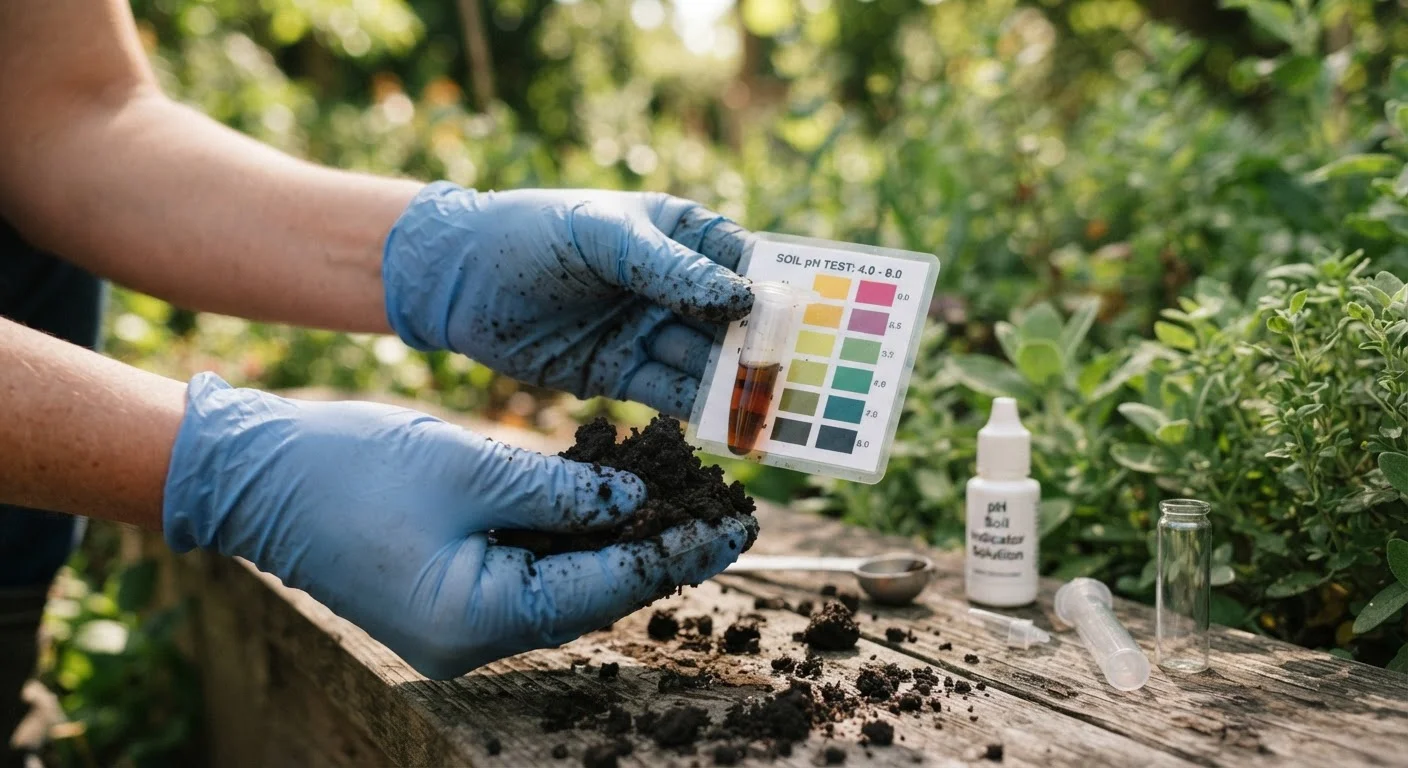
What Soil pH Actually Means
Soil pH is a measure of how acidic or alkaline your soil is, expressed on a scale from 0 to 14. A reading of 7.0 is neutral - values below that are acidic, and values above are alkaline (also called basic). Most garden plants grow best in soil that falls between 6.0 and 7.0, a range often described as slightly acidic to neutral.
The reason pH matters so much is tied directly to nutrient availability. Even if your soil is full of nitrogen, phosphorus, potassium, and trace minerals, plants may not be able to absorb them if the pH is too far off. At very low pH levels (below 5.5), nutrients like phosphorus become chemically locked up, while elements such as aluminum and manganese can become concentrated enough to harm roots. At very high pH levels (above 7.5), iron, manganese, and zinc become less available - causing yellowing leaves even in fertilized soil.
Think of pH as a gatekeeper: it determines which nutrients your plants can actually use, regardless of what's physically present in the ground.
How to Test Your Soil pH
Before you amend anything, test first. There are three common approaches:
- Home test kits: Inexpensive kits available at garden centers use chemical indicators or strips to give a color-coded result. They're fast and reasonable for a general read, though accuracy can vary.
- Digital pH meters: A probe inserted into moist soil provides a numeric reading. Calibrate the meter regularly and take readings from multiple spots to get a reliable average.
- Cooperative Extension lab testing: Your state's Cooperative Extension Service can test a soil sample in a certified lab for a modest fee. This is the most accurate option and typically also reports nutrient levels and organic matter content.
For best results, collect samples from several areas of the garden - at least 6 inches deep - and mix them together before testing. pH can vary significantly across a single yard, especially near concrete foundations (which raise alkalinity) or under pine trees (which lower it).
pH
A numeric scale measuring the acidity or alkalinity of a substance. In soil science, it ranges from 0 to 14, with 7.0 considered neutral, values below acidic, and values above alkaline.
Nutrient availability
The degree to which nutrients present in soil can actually be taken up by plant roots. Even abundant nutrients can be inaccessible if pH is too high or too low.
Agricultural lime
A soil amendment made from ground limestone (calcium carbonate) used to raise soil pH in acidic soils. It comes in several forms with different application rates.
Elemental sulfur
A naturally occurring mineral amendment that soil bacteria convert into sulfuric acid over time, gradually lowering pH in alkaline soils.
Buffer capacity
A soil's resistance to pH change. Clay-rich and organic-matter-rich soils have high buffer capacity and require larger amendment quantities to shift pH than sandy soils.
If you're deciding between gardening approaches and working around challenging native soil, it may also be worth reading about raised beds vs. in-ground gardens - raised beds give you full control over soil composition from the start.
Interpreting Your Results and Adjusting pH
Once you have your pH reading, you can compare it to the preferences of what you want to grow. Here's a general reference:
| pH Range | Description | Common Plants That Prefer It |
|---|---|---|
| 4.5-5.5 | Strongly acidic | Blueberries, azaleas, rhododendrons |
| 5.5-6.5 | Moderately acidic | Tomatoes, strawberries, roses, potatoes |
| 6.0-7.0 | Slightly acidic to neutral | Most vegetables, grasses, herbs |
| 7.0-7.5 | Neutral to slightly alkaline | Asparagus, brassicas, lavender |
To lower pH (make more acidic): Elemental sulfur is a common amendment, though it works slowly - often over several months. Acidifying fertilizers and sphagnum peat moss can also help over time.
To raise pH (make more alkaline): Ground limestone is the standard choice. Agricultural lime comes in several forms; follow application rates based on your soil type and target pH. Sandy soils require less lime than clay soils to achieve the same shift.
Significant pH shifts take time - rushing the process with heavy applications can damage soil structure and plant roots. A shift of one full pH unit or more is best approached gradually over a growing season or two, with retesting along the way.
Maintaining good overall soil health - including regular aeration - also plays a role in how well amendments incorporate. Our guide to lawn aeration explains how compaction affects the ground beneath your grass, which applies to garden beds too.