

Key Takeaways
- Depreciation is typically the largest single annual cost of owning a new car.
- Insurance, fuel, and maintenance together often exceed the monthly loan payment.
- Industry estimates suggest the average American spends over $10,000 per year on car ownership.
- Understanding all cost categories helps you budget accurately and avoid financial surprises.
- Used vehicles can lower depreciation costs but may carry higher maintenance expenses.
Total Cost of Car Ownership
The total cost of owning a car includes every expense you incur throughout your time with the vehicle - not just the purchase price or monthly payment. This covers fuel, insurance, routine maintenance, registration fees, and the vehicle's loss of value over time. When all these costs are added together, most American drivers spend significantly more per year than they initially expect.
Economists and auto industry analysts typically measure total cost of ownership (TCO) over a five-year period, factoring in depreciation as the single largest cost category for most new vehicles.
Why the Sticker Price Is Just the Beginning
When most people think about what a car costs, they think about the monthly payment. That number feels concrete - it hits your bank account on a predictable schedule. But focusing only on the loan payment means ignoring a long list of expenses that collectively rival, and often exceed, that payment every single month.
The moment you drive away from the dealership, the financial picture changes. As detailed in our look at what changes when you drive off the lot, new owners face immediate expenses - registration deadlines, insurance requirements, and a vehicle that has already begun losing value. Understanding the full picture before you're in the middle of it is the difference between a manageable budget and a stressful one.
$12,182
Average annual cost to own and operate a new vehicle
According to AAA's annual 'Your Driving Costs' study, which factors in depreciation, insurance, fuel, maintenance, and financing for a new vehicle driven 15,000 miles per year.
~47%
Share of total ownership cost attributed to depreciation
Industry analyses consistently identify depreciation as the largest single expense category for new vehicle owners over a five-year ownership period.
15,000
Average miles driven per year by American drivers
Federal Highway Administration data indicates U.S. drivers average approximately 14,000-15,000 miles annually, directly affecting fuel and maintenance costs.
The Six Core Cost Categories
Breaking down car ownership into categories makes the numbers easier to plan for:
- Depreciation: For most new vehicles, this is the single largest annual expense. A new car can lose 15-25% of its value in the first year alone. Over five years, many vehicles lose more than half their original purchase price. This isn't money you pay out of pocket each month, but it's real wealth lost. See our deeper explanation of how depreciation works for a full breakdown.
- Insurance: Full coverage on a financed vehicle is typically required by your lender. Annual premiums vary widely by state, driving record, vehicle type, and age - but national averages frequently fall between $1,500 and $2,500 per year.
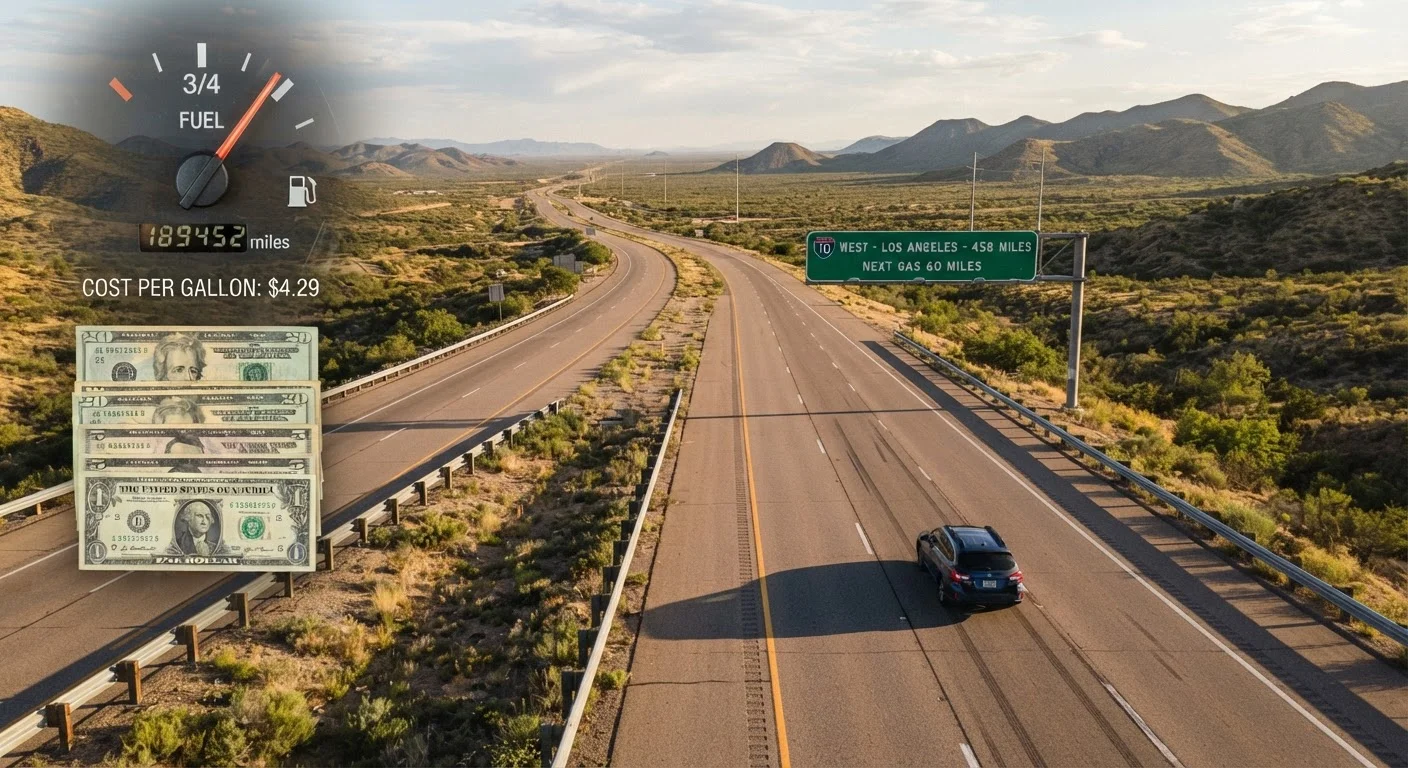
- Fuel: Calculated by dividing your annual mileage by your vehicle's fuel economy, then multiplying by the average price per gallon. The average American drives roughly 14,000-15,000 miles per year. At 28 mpg and $3.50 per gallon, that's nearly $1,900 annually.
- Maintenance and repairs: Routine oil changes, tire rotations, brake pads, filters, and fluid replacements add up. Industry estimates typically place scheduled maintenance between $500 and $1,000 per year for a well-maintained vehicle, not counting unexpected repairs.
- Registration and fees: Annual registration, emissions testing, and state inspection fees vary by location but commonly run $100-$400 per year.
- Loan interest: If you financed your vehicle, the interest paid over the life of the loan is a real cost of ownership that many buyers underestimate at the outset.
Build a Full-Cost Budget Before You Buy
Before committing to any vehicle, add up estimated annual insurance, fuel, and maintenance costs alongside your projected loan payment. A car that fits your monthly payment budget may not fit your total financial picture. Many financial planners suggest total transportation costs stay below 15-20% of take-home income.
Hidden and Overlooked Expenses
Beyond the six core categories, a range of smaller costs accumulate throughout the year. Parking fees, car washes, toll charges, and roadside assistance memberships are easy to forget when budgeting. For a more complete picture of what first-time owners often miss, our article on hidden costs new car owners overlook walks through expenses like gap insurance, dealer documentation fees, and emissions compliance that catch many drivers off guard.
It's also worth questioning some common assumptions about car costs. Many widely held beliefs about what saves money - or costs money - turn out to be incorrect. Our look at car ownership myths that cost drivers money covers specific examples where conventional wisdom leads drivers astray.
New vs. Used: How Ownership Costs Shift
Choosing between a new and used vehicle changes the composition of your annual costs, though not always in the direction people expect. New cars carry the steepest depreciation but tend to have lower near-term repair costs and often include warranty coverage. Used vehicles depreciate more slowly, but older mechanical systems may require more frequent attention.
If you're weighing whether to own at all versus lease, the financial trade-offs are more nuanced than a simple monthly payment comparison. Our leasing vs. owning comparison examines both paths across multiple cost dimensions, including mileage limits, equity building, and flexibility.
The most important step any driver can take is to calculate their own realistic annual total - not just the loan payment - before committing to a vehicle. When all categories are accounted for, an informed budget decision becomes possible.