

Key Takeaways
- The purchase price of a new car covers only a fraction of what ownership actually costs annually.
- Gap insurance, emissions inspections, and parking fees are commonly overlooked but real budget items.
- Skipping routine maintenance to save money often leads to far larger repair bills down the road.
- Registration fees, personal property taxes, and title costs vary significantly by state and can surprise buyers.
- Building a dedicated car ownership budget - beyond the monthly payment - is essential financial planning.
Why New Car Costs Catch Owners Off Guard
Buying a new car feels like the finish line. You've negotiated the price, secured financing, and signed the paperwork. But the financial commitments don't end at the dealership - they're just getting started.
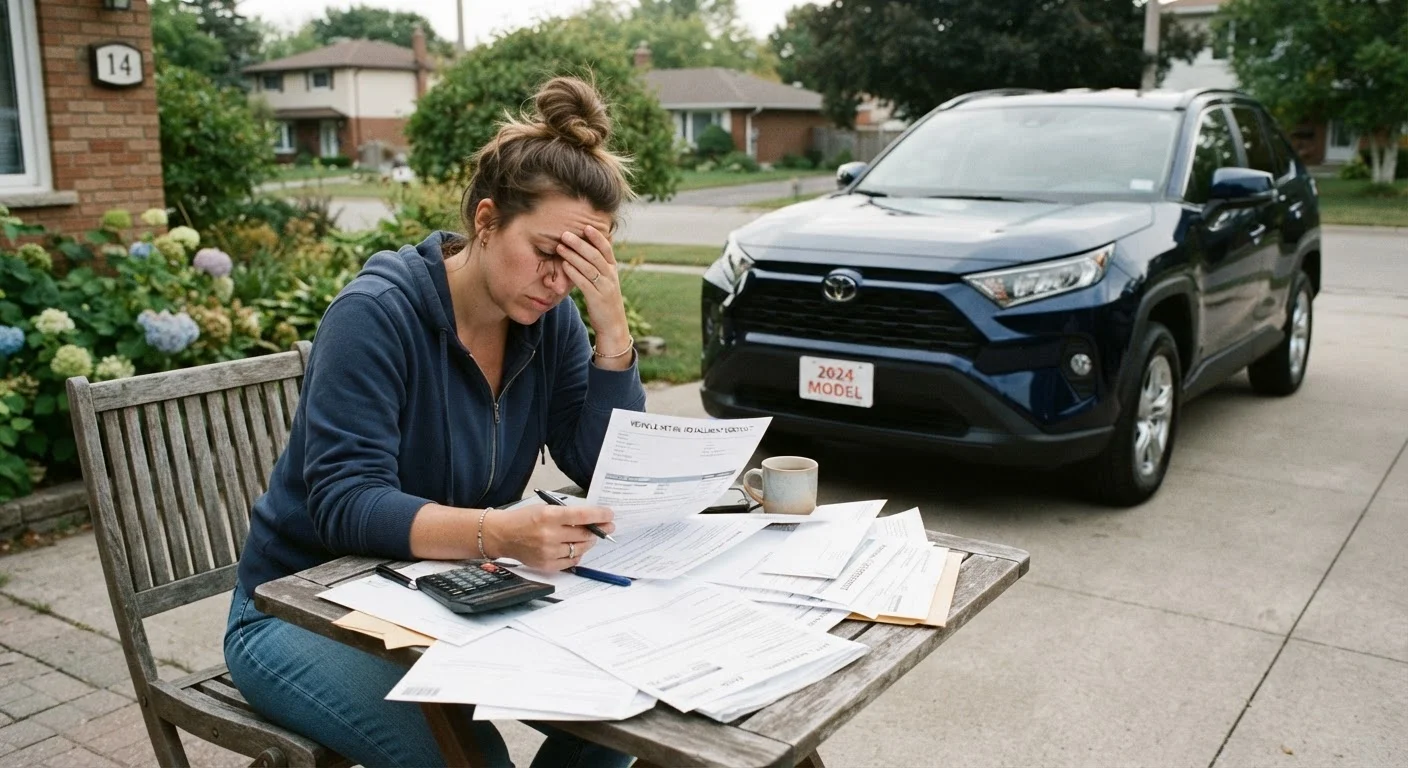
Most first-time owners focus exclusively on the monthly payment, which is understandable. What gets lost in that calculation is the full picture of what car ownership actually costs once you're on the road. The real annual cost of owning a car in America includes depreciation, insurance, fuel, maintenance, and a series of smaller costs that quietly add up.
The mistakes below represent the most common gaps between what buyers expect to pay and what they actually owe. Understanding them ahead of time is the most effective way to avoid financial stress down the road.
Depreciation Begins the Moment You Leave
A new vehicle can lose a significant portion of its value within the first year of ownership - an often-cited range is 15-25%, though the exact figure varies by vehicle type and market conditions. This rapid depreciation is directly relevant to gap insurance decisions and to understanding your true financial exposure if the car is totaled or stolen. See our overview of how depreciation works for a fuller explanation.
The Most Costly Oversights - And How to Avoid Them
These aren't fringe scenarios. They're expenses that catch a significant share of new car owners off guard, often within the first year of ownership.
Ignoring gap insurance when financing a new vehicle.
Why it happens: Buyers are focused on the loan terms and monthly payment, and gap insurance is often mentioned only briefly - or not at all - during the financing process.
Underestimating state registration fees, title costs, and annual taxes.
Why it happens: These fees vary dramatically by state and are rarely spelled out clearly at the dealership. Many buyers assume they're minor one-time expenses.
Forgetting to budget for emissions testing and safety inspections.
Why it happens: New car buyers assume inspections only apply to older vehicles, or they simply aren't aware that their state requires periodic testing regardless of vehicle age.
Treating routine maintenance as optional to save money.
Why it happens: When a new car is running smoothly, skipping an oil change or tire rotation feels inconsequential. The consequences aren't immediate, so the connection between skipped service and future failure is easy to dismiss.
Overlooking the ongoing costs of parking, tolls, and storage.
Why it happens: These expenses feel too small to plan for, yet they accumulate steadily - especially for urban drivers or those who commute regularly.
Assuming the manufacturer's warranty covers everything.
Why it happens: "New car warranty" sounds comprehensive, but most cover only specific defects and exclude wear items like brake pads, tires, and wiper blades.
~$12,000
Average annual cost of car ownership in the U.S.
According to AAA's annual Your Driving Costs study, the total cost of owning and operating a new vehicle - including depreciation, fuel, insurance, and maintenance - averages roughly $12,000 per year for many drivers.
15-25%
Estimated first-year depreciation on a new vehicle
Industry estimates consistently show new vehicles lose a substantial share of their value in the first year, which is why gap insurance carries particular relevance for financed purchases.
If you're also weighing whether to lease rather than buy, the cost structure shifts considerably - leasing vs. owning is worth understanding before you commit. And once you've made your purchase, everything that changes the moment you drive off the lot covers the immediate responsibilities that many new owners don't anticipate.
Budgeting accurately isn't pessimistic - it's what separates owners who feel in control from those who feel constantly blindsided.