

Key Takeaways
- Arriving late means missing sound checks, openers, and prime standing positions.
- Acoustic sweet spots vary by venue - knowing where to stand or sit makes a dramatic difference.
- Skipping opening acts often means missing artists who become tomorrow's headliners.
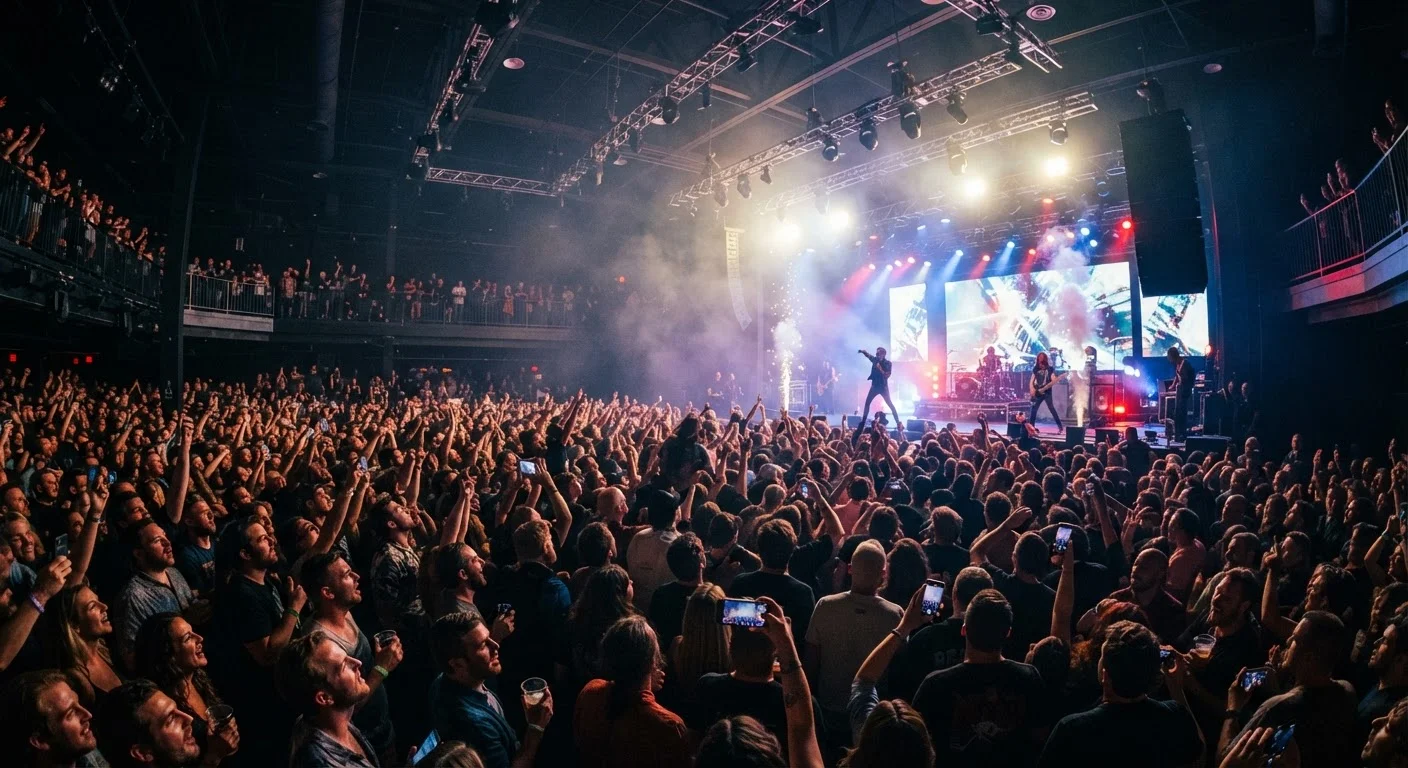
- Constant phone recording pulls your attention away from the live experience itself.
- Choosing the wrong ticket type for your expectations can undermine the whole evening.
The Gap Between Expectation and Experience
You bought the ticket weeks in advance. You got dressed, drove across town, paid for parking - and yet, somewhere between the opening chord and the encore, the night felt a little hollow. The show wasn't bad, exactly, but it wasn't the electric, communal thing you'd heard live music could be. What went wrong?
More often than not, the answer isn't the artist, the setlist, or even the venue. It's a handful of quiet, avoidable habits that chip away at a concert before the first note lands. Understanding them doesn't require any special expertise - just a little honest reflection on how you're showing up to the experience.
Whether you're a casual concertgoer or someone who attends dozens of shows a year, the mistakes below are remarkably common. And they're remarkably fixable. The live music world is rich and varied - from intimate 200-cap clubs to sprawling amphitheaters - and venue scale shapes everything about how a show feels. Arriving equipped to work with that environment, rather than against it, is where a genuinely great night begins.
Common Mistakes That Quietly Undermine a Live Show
These aren't cardinal sins - they're easy slips that most people don't even notice they're making. Recognizing them is the first step toward a show that actually delivers.
Arriving after the opening act has started - or skipping openers entirely.
Why it happens: Openers feel optional, and getting to a venue early can seem like wasted time spent waiting around.
Standing in a spot chosen by habit or convenience rather than acoustics.
Why it happens: Most people gravitate toward the center or wherever the crowd is thickest, without thinking about how sound travels in that specific room.
Recording video on your phone throughout most of the performance.
Why it happens: The instinct to document and share feels natural - social media has made capturing moments feel like participating in them.
Ignoring the setlist or failing to listen to the artist's recent work beforehand.
Why it happens: It's easy to buy a ticket based on familiarity with one album or a handful of hits and assume that's enough.
Choosing the wrong ticket type for your actual temperament and physical comfort.
Why it happens: GA floor tickets carry cultural cachet - they feel like the "real" concert experience - so people buy them without honestly assessing whether they'll enjoy standing for three hours in a dense crowd.
Treating the concert as background noise while socializing loudly throughout.
Why it happens: A venue with friends naturally becomes a social setting, and it's easy to slip into conversation mode while the music plays.
Loud Talking During Performances Affects Everyone
Sustained conversation at full volume during a set isn't just a personal choice - it actively pulls focus for the rows immediately around you. Most venue etiquette, from intimate clubs to major arenas, treats the performance as the shared focal point. Saving in-depth conversation for intermissions or after the show keeps the experience better for everyone, including you.
Making Smarter Choices Before You Arrive
A surprising amount of the concert experience is shaped before you walk through the door. One of the biggest pre-show decisions is ticket type. The energy of a general admission floor is thrilling, but it comes with trade-offs - physical stamina, sightlines, and crowd density all shift dramatically compared to an assigned seat. Weighing GA against reserved seating based on your preferences and the specific venue can save you from a night of frustration.
Similarly, if you're attending something outside your usual genre - say, a classical program for the first time - a little preparation goes a long way. Understanding etiquette and what to listen for transforms an unfamiliar setting from intimidating to genuinely rewarding.
32%
Concertgoers who arrive after doors open
A 2023 audience behavior report from Eventbrite noted that roughly a third of ticket holders arrive after the scheduled door time, often missing openers.
2 in 3
Attendees who film at least part of the show
Polling by music industry researchers has found the majority of live audiences spend some portion of the evening recording video, often without reviewing it afterward.
And if you're tempted to capture every moment on your phone, consider this: the best concert photograph isn't the one taken on autopilot. A few intentional shots will serve your memory far better than two hours of shaky, backlit video that you'll rarely watch again - and they'll cost you far less of the actual show.