
Watching More Intentionally: How Viewers Can Develop a Richer Relationship With Film and TV

Key Takeaways
- Intentional viewing means making conscious choices about what you watch, how, and why.
- Simple habits - like researching context beforehand and reflecting afterward - deepen engagement significantly.
- Understanding genre and format helps viewers set accurate expectations and notice craft more easily.
- Discussing what you watch with others adds layers of meaning that solo viewing often misses.
- Keeping a viewing log, even a simple one, builds a personal record of taste and growth over time.
What you will need
Why Intentional Viewing Matters
Most of us watch more screen content than at any other point in history - and yet many viewers walk away from shows and films feeling vaguely unsatisfied, as if they consumed something without really tasting it. The sheer volume of available content encourages a kind of frantic grazing: queue something, half-watch it, move on. Intentional viewing is the antidote to that pattern.
Watching intentionally doesn't mean watching less, or turning every movie night into homework. It means bringing a little more awareness to the experience - understanding what you're watching and why it was made, noticing what the filmmakers are doing, and giving yourself space to actually respond to it. The payoff is a richer relationship with storytelling and a deeper sense of satisfaction when a great work of screen art lands the way it was intended.
If you've ever been moved by a documentary or riveted by a prestige drama but weren't sure how to articulate why, this guide offers a practical path forward. And if you're curious about how these ideas apply beyond the screen, our piece on engaging with art without a formal background explores similar principles for visual art.
Before You Press Play
Intentional viewing begins before the first frame. A few minutes of preparation can shift your entire relationship with a film or episode.
Choose with purpose, not just convenience
Before defaulting to whatever an algorithm surfaces, take a moment to ask what kind of experience you're actually in the mood for. Are you looking to be challenged, comforted, surprised, or educated? Having even a loose answer to that question helps you pick something that fits - and makes you more likely to stay engaged.
Gather a little context beforehand
A two-minute search before you start watching pays surprising dividends. Look up when the film was made, who directed it, and what cultural moment it emerged from. For documentaries, a quick check of the format and structure can help you understand what the filmmakers were trying to achieve. You don't need a deep dive - just enough to walk in with some orientation.
Create conditions that support attention
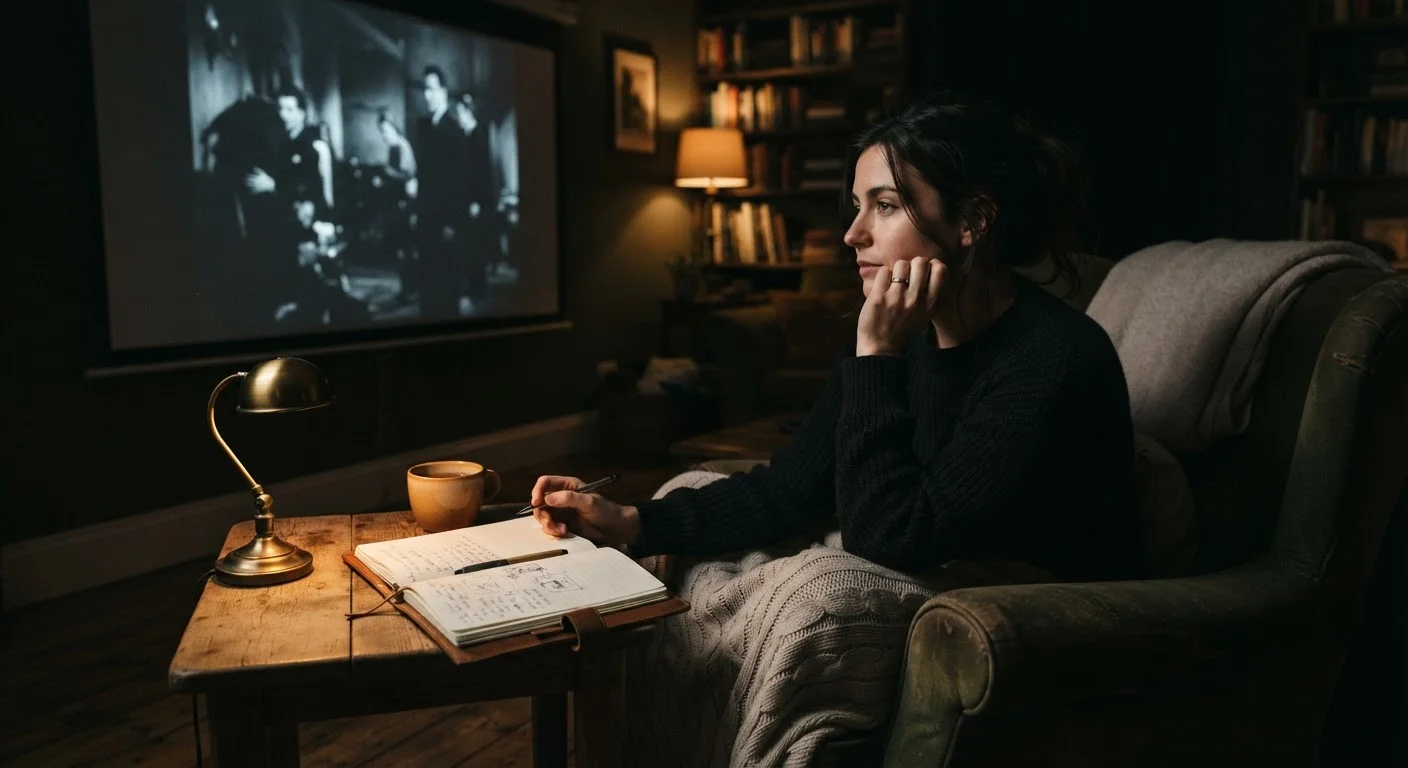
This sounds obvious, but it's the step most viewers skip. Watching on a phone while multitasking is a different activity than sitting down with the screen as your primary focus. For anything you've chosen deliberately, try to give it a real viewing window - lights low, distractions minimized. Even one or two fully attentive watches per week will noticeably shift how much you absorb.
Notice craft, not just plot
Story is the most visible layer, but screen storytelling is built from dozens of other choices: the way a scene is lit, how dialogue is paced, what music underscores a moment, which details the camera lingers on. You don't need to analyze every shot - just let yourself notice one or two elements per viewing that you might normally tune out. Over time, this builds a genuine visual vocabulary.
Reflect briefly after the credits roll
Before you immediately start the next episode or open your phone, give yourself two or three minutes to sit with what you just watched. What stayed with you? What confused or bothered you? Was there a single image, line, or moment that felt especially true? This brief pause is where intentional viewing cements itself - it's the difference between an experience that passes through you and one that leaves something behind.
For a deeper foundation on understanding what you're choosing between, our viewer's field guide to film and TV genres is a useful companion. And if you're deciding between serialized and episodic formats, understanding the storytelling philosophies behind each can help you set realistic expectations before you commit.
During and After: Building a Lasting Practice
The real depth of intentional viewing comes from what you do with your attention while watching - and what you do in the hours after. Neither requires a film degree, just a willingness to stay a little more present.
Try Watching Something Twice
A second viewing of a film or pilot episode - even a few weeks later - almost always reveals things invisible the first time around. Foreshadowing, structural choices, and performance nuances become visible once you already know where the story is going. It's one of the simplest ways to move from passive viewing to genuine appreciation of craft.
Keeping a simple viewing log - even just a sentence or two per title in a notes app - builds a personal record of taste and growth that's genuinely useful over time. You'll start noticing patterns: directors whose work consistently resonates, genres that energize you, formats that suit your schedule. If you're navigating a particularly sprawling television universe, our guide to keeping up with large TV universes offers practical strategies for staying oriented without burning out.
Discussion is perhaps the most underrated tool for deeper engagement. Talking through a film with a friend - even a quick exchange about a single scene - forces you to articulate reactions you might otherwise let slip away. Online communities, podcasts, and local screening groups all offer versions of this. When a show is adapted from a book or other source, exploring those roots adds another dimension; our piece on what changes when a book becomes a show is a good starting point for that kind of comparative thinking.
Finally, be honest with yourself about what you're watching and why. Escapism is a legitimate and valuable use of screen time - it's not something to apologize for. Intentional viewing just means making that choice consciously, so every hour with a screen feels like it was yours to spend.