

Key Takeaways
- Many popular Southwest parks now require timed-entry reservations, especially in summer.
- Altitude and heat are the two most commonly underestimated physical challenges for first-timers.
- Shoulder seasons - spring and fall - offer a better balance of weather, crowds, and trail access.
- A single park visit often rewards slower exploration more than trying to rush through several.
- Cell service is limited or absent across large portions of most Southwest parks.
- The America the Beautiful annual pass covers entrance fees at all National Park Service sites.
Start here
What 'The Southwest's National Parks' Actually Covers
Next
Crowds, Permits, and the Reservation Reality
Then
Terrain, Altitude, and Physical Demands
When you're ready
Practical Planning: Timing, Gear, and Logistics
Finally
Managing Expectations vs. the Real Experience
What 'The Southwest's National Parks' Actually Covers
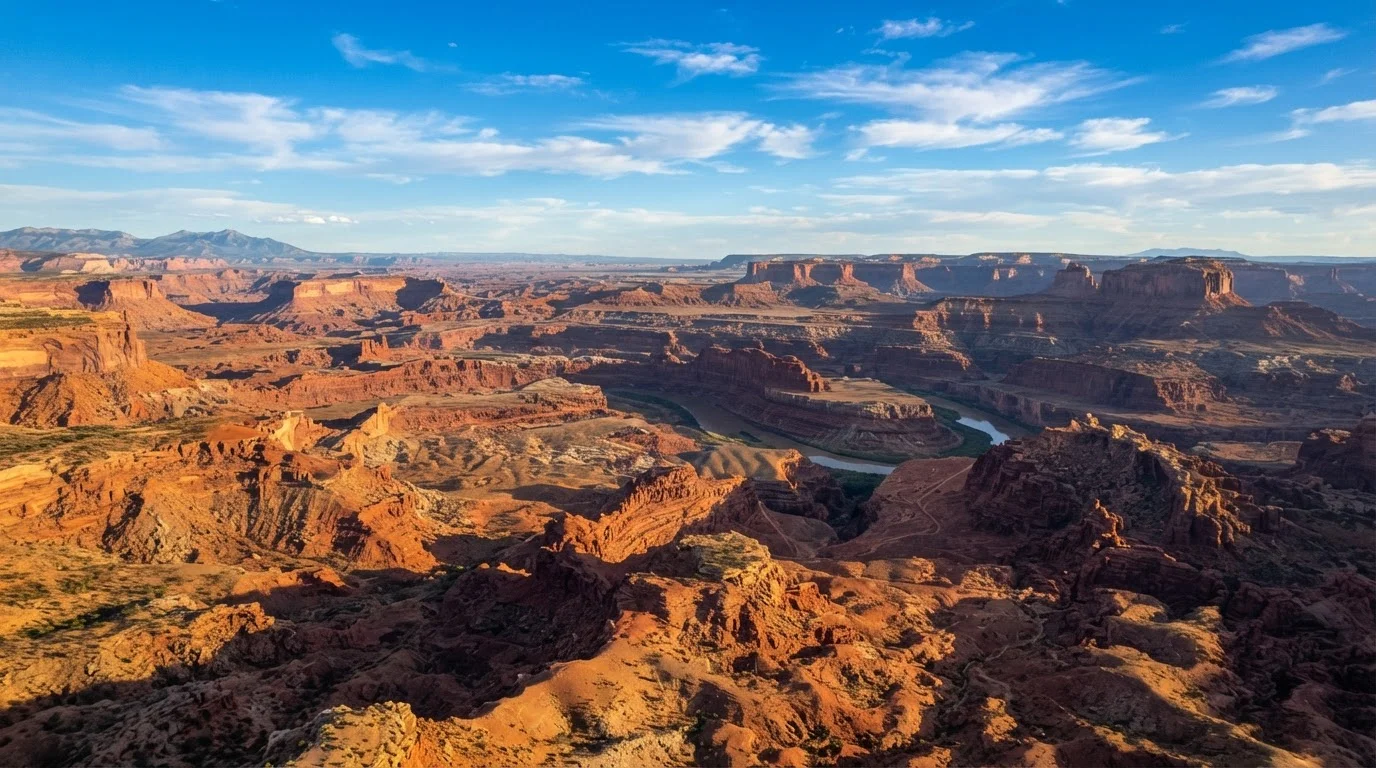
When people talk about the American Southwest's national parks, they usually mean a cluster of iconic sites across Utah, Arizona, Nevada, and Colorado. The Utah "Mighty Five" - Zion, Bryce Canyon, Capitol Reef, Canyonlands, and Arches - form one popular circuit. Grand Canyon (Arizona), Mesa Verde (Colorado), and Great Basin (Nevada) are frequently added to broader itineraries.
These parks share a common geology: ancient sedimentary rock shaped by erosion over millions of years, producing the red cliffs, slot canyons, arches, and hoodoos that define the region's look. But each park has a distinct character. Zion is lush by desert standards, with a river corridor and towering walls. Bryce Canyon sits at high elevation, its pink limestone spires unlike anything else in the country. Grand Canyon operates on a scale that genuinely defies expectation.
Timed-entry permit
A reservation required to enter a park or specific trail during busy periods, separate from the standard entrance fee. These are booked in advance and limit the number of visitors at a given time.
Hoodoo
A tall, thin spire of rock formed by erosion - the distinctive pink and orange pillars that make Bryce Canyon visually iconic.
Slot canyon
A narrow, winding canyon carved by water through rock, often just a few feet wide but dramatically tall. Antelope Canyon near Page, Arizona is a well-known example.
Elevation sickness
A group of symptoms - headache, fatigue, shortness of breath, nausea - that can occur when ascending to high elevations too quickly. Common in parks above 7,000 feet for visitors from lower elevations.
America the Beautiful Pass
An annual federal lands pass that covers entrance fees at all National Park Service sites and many other federal recreation areas across the United States.
Colorado Plateau
The high desert region covering parts of Utah, Arizona, Colorado, and New Mexico where most Southwest national parks are located, known for its layered sedimentary rock and canyon landscapes.
First-timers often underestimate how spread out these parks are. Driving from Zion to Arches takes roughly four hours. Grand Canyon adds another three to four hours from Zion. Planning a multi-park trip requires honest accounting of drive times, not just map distances.
Crowds, Permits, and the Reservation Reality
Visitation to Southwest parks has grown dramatically over the past decade, and park managers have responded with reservation and permit systems that didn't exist even a few years ago. At Arches, timed-entry reservations are required during peak season. Zion's famous Narrows and Angels Landing require separate permit lotteries on top of standard park entry.
These systems exist to protect both the parks and visitor experience, but they demand advance planning. Permits for sought-after hikes can sell out weeks or months ahead through recreation.gov, the federal booking platform. Showing up and expecting to walk in without a reservation during summer peak season frequently leads to disappointment.
Book Permits Early - Then Confirm Requirements
Permit and reservation systems for Southwest parks change frequently. Always verify current requirements directly on the official National Park Service website (nps.gov) for each specific park before your trip. What applied last year may not apply this season, and rules can differ between trails within the same park.
The America the Beautiful Annual Pass covers entrance fees at all National Park Service sites - useful if you're visiting several parks in one trip. It does not, however, cover separate timed-entry permits or camping reservations, which are booked independently.
Terrain, Altitude, and Physical Demands
Heat and altitude are the two physical factors first-timers most consistently underestimate. Canyon country temperatures can exceed 100°F (38°C) in summer. Trails that look short on paper become grueling when combined with direct sun, reflective rock, and a lack of shade. The National Park Service regularly warns visitors about heat illness on popular trails - particularly those that descend into canyons, where the climb out is hotter and harder than the descent.
Altitude compounds the challenge at higher-elevation parks. Bryce Canyon's rim sits above 8,000 feet. Mesa Verde's visitor areas hover around 7,000 feet. Visitors arriving from sea level may experience shortness of breath, fatigue, or headaches. These symptoms are worth taking seriously, particularly for older adults or those with cardiovascular conditions. If you have health concerns, consult a healthcare provider before planning strenuous high-altitude hiking.
Many parks offer accessible, paved viewpoints and shorter walks that provide genuine awe without strenuous effort. Not every remarkable experience requires an advanced hike.
Practical Planning: Timing, Gear, and Logistics
Shoulder seasons - roughly March through May and September through October - offer the most balanced conditions. Temperatures are more moderate, crowds are thinner than summer peaks, and most trails and roads are open. Winter visits can be remarkably peaceful and photogenic, but some roads and facilities close, and snow can make trails hazardous without proper footwear.
Essential gear for canyon hiking includes more water than you think you'll need (a general guideline is at least one liter per hour of active hiking in warm conditions, though your needs will vary), sun protection, sturdy closed-toe shoes with grip, and a paper or offline map. Cell service is limited to absent across most park interiors. Download offline maps and trail data through apps like Gaia GPS or AllTrails before leaving connectivity.
Accommodation near popular parks - particularly Springdale (Zion) and Moab (Arches, Canyonlands) - books up well in advance during peak season. Camping inside parks requires reservations through recreation.gov, often months ahead for the most desirable sites. Gateway towns offer a range of lodging, but expect higher prices and limited availability if you wait.
Planning an international trip involves similar lead-time discipline - for context on how advance planning pays off in a different setting, see our guide on planning your first trip to Europe.
Managing Expectations vs. the Real Experience
Social media and travel photography create a particular hazard for Southwest park visitors: images of empty, perfectly lit landscapes that rarely reflect peak-season reality. Popular viewpoints at sunrise can have dozens of people; iconic arches have queues for photos. This doesn't diminish the experience, but calibrating expectations prevents disappointment.
The antidote is usually to slow down and go slightly off the obvious path. Many parks have less-visited trails that receive a fraction of the traffic of their famous counterparts while delivering comparable scenery. Ranger programs, visitor center exhibits, and interpretive signage add context that makes the landscape genuinely richer - the geology, Indigenous history, and ecology of the Colorado Plateau are fascinating in their own right, not just backdrop for photos.
If you're new to structured travel experiences that reward patience and curiosity, the approach mirrors what we'd suggest for making the most of your first museum visit: go with a loose plan, stay curious, and don't try to see everything at once.
The parks that tend to disappoint are the ones visited in a two-hour windshield tour. The ones that stay with you for years are the ones where you sat quietly at a canyon rim at dusk and let the scale of the place actually land.