

Key Takeaways
- Showing up to local shows is the single most powerful thing fans can do for working musicians.
- Buying merchandise and music directly from artists ensures the largest share of revenue reaches them.
- Volunteering, spreading the word, and writing reviews are meaningful forms of support that cost nothing.
- Local scenes are interconnected ecosystems - supporting venues, promoters, and record stores helps everyone.
- Even small, consistent actions compound into real, lasting impact for artists in your community.
Why Local Music Scenes Need You Right Now
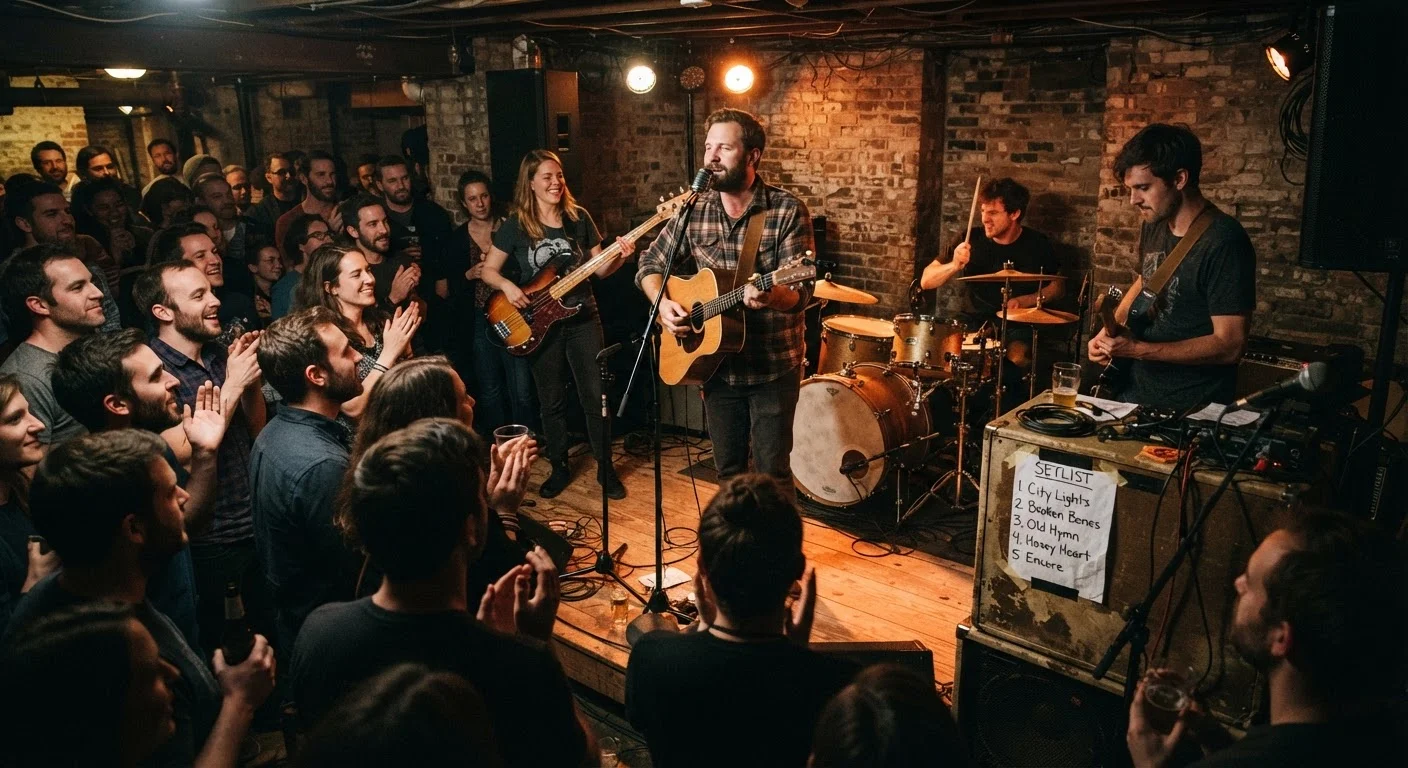
There's a particular magic to discovering a band in a 200-capacity room - the bass physically vibrating the floor, the singer making eye contact with the crowd, the sense that you're witnessing something before it becomes something bigger. Local music scenes create those moments every weekend in cities and towns across America, from blues bars in Memphis to DIY lofts in Philadelphia to folk cafés in Missoula. But these ecosystems are fragile. Rising venue costs, shifting listener habits, and the gravitational pull of streaming have made it harder than ever for working musicians to sustain a career close to home.
The encouraging news: meaningful support doesn't require deep pockets. It requires presence, intention, and a few deliberate habits. Whether you're a longtime concertgoer or someone who mostly streams, you likely have more influence over your local scene than you realize. And if you're curious about what live performance can look like beyond the mainstream, our guide to live performance genres Americans often overlook is a useful starting point.
Best Practices for Supporting Local Artists
The practices below are drawn from what musicians, venue owners, and music journalists consistently identify as the most impactful forms of fan support. None of them require spending more than you're comfortable with.
Buy tickets in advance through official artist or venue channels whenever possible.
Advance ticket sales give artists and venues critical financial certainty before show night. Purchasing through the artist's own site or the venue's box office also cuts out third-party fees, meaning more money stays local. Last-minute or door-only attendance, while welcome, doesn't help organizers plan or pay deposits.
Purchase merchandise and recorded music directly from the artist.
Streaming pays fractions of a cent per play; merchandise and direct album sales are among the highest-margin revenue streams available to independent musicians. Buying a vinyl record, a T-shirt, or a download card at the merch table puts a meaningful sum directly in an artist's pocket.
Leave honest, specific reviews on platforms where artists have profiles.
Algorithmic discovery on music platforms and social media rewards engagement. A detailed, genuine review - even a short one - signals credibility to new listeners and can push an artist higher in search results. Many musicians say word-of-mouth reviews from fans are more persuasive than any marketing they can afford.
Volunteer with local venues, festivals, or music nonprofits.
Many grassroots music organizations operate on skeletal budgets and depend on volunteer labor to survive. Staffing a ticket table, helping with load-in, or assisting at a community festival are ways to contribute that cost only your time. Volunteers also often receive complimentary admission, making it a natural fit if budget is tight.
Share local artists' content on social media with genuine, personal context.
A recommendation carries more weight when it comes from a real person with a real reason. Sharing a show announcement with a sentence about why you care - rather than a bare repost - is more likely to move friends to act. Social proof from community members is something no artist can manufacture for themselves.
Support local record stores, music publications, and rehearsal spaces.
A music scene is an ecosystem. Record stores stock local releases and host in-store performances. Independent publications review and promote local acts. Rehearsal studios give bands an affordable place to develop. Spending money in these spaces keeps the infrastructure alive that artists depend on.
Quick Actions You Can Take This Week
Supporting local music doesn't have to be a grand gesture. Small, consistent actions accumulate into real impact over time. Here are a few you can start immediately.
It's also worth remembering that venues themselves need support, not just the artists performing in them. When a beloved room closes, it doesn't just affect one band - it removes an essential node from the entire local network. For a broader look at how regional creative communities sustain themselves, see our piece on America's regional art scenes beyond New York and Los Angeles.
Making the Most of Your Presence at Shows
If you do decide to attend more local shows, a few habits can make your presence even more valuable. Arrive early - opening acts are often newer artists who benefit enormously from an attentive audience rather than an empty room. Spend something at the bar or the merch table if you're able; venue revenue from drinks and artist revenue from merchandise are both critical income streams. And if the show moves you, say so out loud - online reviews, social shares, and even a quick text to a friend can translate directly into ticket sales at the next performance.
A Note on Streaming vs. Attending in Person
Streaming is a convenient way to discover and revisit music, but it functions very differently as a support mechanism than live attendance or direct purchases. The two aren't mutually exclusive - streaming an artist's catalog between shows is a fine habit - but they shouldn't be confused as equivalent forms of support. For a fuller breakdown of what each experience actually offers, our piece on streaming a concert vs. attending in person examines the trade-offs honestly.
For those newer to the live music experience, understanding your options at the door can also shape how much you enjoy the night. Our overview of general admission vs. reserved seating at live concerts breaks down the trade-offs between floor energy and seated comfort - helpful context before you commit to a ticket.