

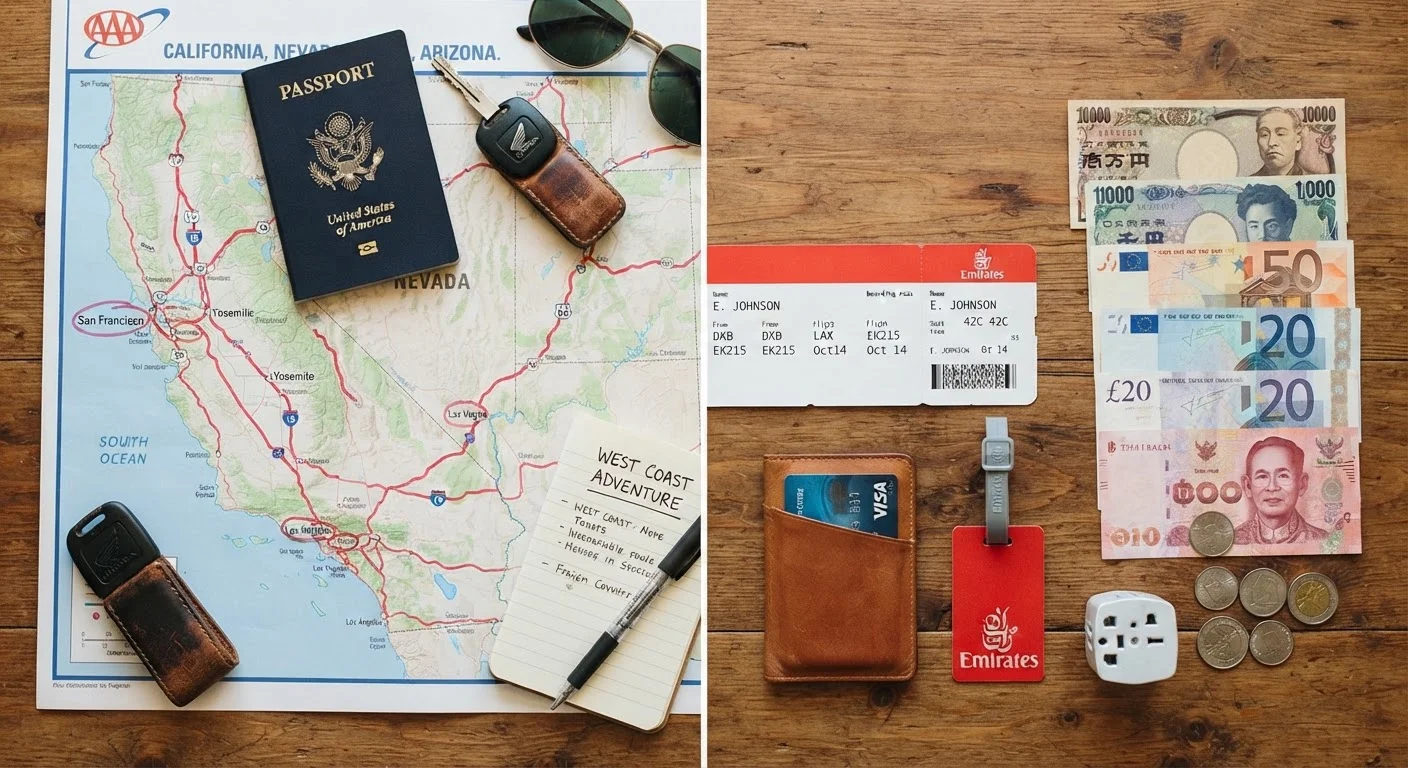
Key Takeaways
- International trips require documents - passports, visas, and entry requirements - that domestic travel does not.
- Currency exchange, health precautions, and travel insurance matter far more when crossing borders.
- Lead time for international planning is typically much longer than for domestic getaways.
- Communication, connectivity, and local customs add complexity that domestic travelers rarely face.
- Both trip types benefit from structured planning, but the checklists look very different.
Our Verdict
Domestic trips are generally faster to plan, with fewer moving parts and no documentation requirements beyond a valid ID. International travel demands significantly more lead time, documentation, and contingency thinking - but the planning process becomes manageable once you know what to address and when.
| Best for | Recommended |
|---|---|
| Travelers with limited planning time or a tight schedule | Domestic Trip |
| Those seeking a new cultural experience and willing to plan ahead | International Trip |
| First-time travelers building confidence before going abroad | Domestic Trip |
| Experienced travelers with valid passports and flexible timelines | International Trip |
Documentation: The First Big Divide
The most immediate difference between domestic and international travel is what you need to carry before you even book a flight. Within the United States, a government-issued photo ID - a driver's license or state ID - is enough for most domestic flights and all ground travel. Cross an international border and the requirements shift entirely.
A valid U.S. passport is the baseline requirement for international travel. Beyond that, many countries require visas, which can take days, weeks, or even months to obtain depending on the destination and your citizenship. Some countries offer visa-on-arrival or electronic travel authorizations, but these still require advance research. Passport validity rules add another layer - many countries require your passport to be valid for at least six months beyond your intended departure date. See our guide to common entry requirement misconceptions for details on rules that frequently catch travelers off guard.
Always verify entry requirements through official government sources - both the U.S. State Department and the destination country's embassy or consulate - well before booking.
| Planning Factor | Domestic Trip | International Trip | |
|---|---|---|---|
| Documents required | Government-issued photo ID | Passport, possible visa or entry authorization | |
| Typical planning lead time | Days to a few weeks | Weeks to several months | |
| Currency | U.S. dollars throughout | Foreign currency, exchange rates, possible fees | |
| Health precautions | Generally minimal | Vaccinations, travel medicine consult often needed | |
| Travel insurance | Often optional | Strongly worth considering for medical coverage | |
| Phone and connectivity | Domestic plan works | International plan, SIM, or eSIM usually needed | |
| Cultural adaptation | Familiar norms throughout | Language, customs, and etiquette research needed |
Budget and Currency Considerations
Domestic travel is financially straightforward: everything is priced in U.S. dollars, your debit and credit cards work almost everywhere, and tipping norms are familiar. International travel introduces currency exchange, foreign transaction fees, and the need to understand local pricing norms that may not mirror American expectations.
Before an international trip, research whether your destination uses cash heavily or accepts cards widely. Exchange rates fluctuate, and airport exchange kiosks typically offer poor rates. Many travelers notify their bank ahead of departure and carry a small amount of local currency for immediate needs upon arrival. Foreign transaction fees on cards can add up - worth checking your card's terms before you go.
Building a realistic international budget also means accounting for costs that don't apply domestically: visa application fees, travel insurance premiums, international phone plans or local SIMs, and potentially higher medical costs if something goes wrong. Our destination-choosing checklist includes budget questions worth addressing early in the process.
Start Your Passport Application Early
U.S. passport standard processing can take several weeks, and demand peaks in spring and summer. If you're considering international travel within the next six months, apply or renew sooner rather than later. Expedited processing is available but adds cost and is not always guaranteed to meet a specific deadline. Check current processing times at the official U.S. State Department website before planning your departure date.
Health, Safety, and Insurance
Domestic travelers rarely think about vaccinations before a trip. International travelers often need to. Some destinations have recommended or required immunizations, and certain regions carry health risks - from altitude sickness to food- and water-borne illness - that require planning. Consult a healthcare provider or travel medicine clinic well before departure; this is not an area to research at the last minute. All health decisions should be made in consultation with a qualified medical professional.
Travel insurance is another consideration that changes significantly when you cross borders. Domestic health insurance typically covers you anywhere in the U.S., but most plans offer limited or no coverage internationally. A travel insurance policy can cover emergency medical evacuation, trip cancellation, lost luggage, and other situations that can become genuinely costly abroad. Review policy details carefully and understand what is and isn't covered before purchasing.
Safety considerations also differ. The U.S. State Department publishes travel advisories for countries around the world - checking the advisory level for your destination is a sensible step before booking international travel.
Logistics, Lead Time, and On-the-Ground Complexity
A domestic weekend trip can come together in a few days. International travel generally demands a longer runway. Passport applications take weeks under standard processing; visas can add more time on top. Flights are more expensive, usually non-refundable, and require earlier booking for reasonable fares. Accommodation research is more involved when you're navigating an unfamiliar city in a different country.
On the ground, international travelers face variables that simply don't exist at home: jet lag across multiple time zones, language barriers, unfamiliar transit systems, and local customs that require some baseline awareness. Staying connected is one practical example - your domestic phone plan likely doesn't work abroad without added costs. Understanding your international connectivity options before you leave prevents one of the most common frustrations of overseas travel.
Cultural awareness matters too. Engaging respectfully with local customs - even imperfectly - goes a long way. For practical habits that travel well, see how travelers can approach cultural respect without over-researching every detail. For a complete end-to-end look at structuring either type of trip, this trip planning walkthrough covers the full process from first idea to final packing list.