

Key Takeaways
- Compensating for lost sleep with long weekend lie-ins can actually worsen your sleep schedule over time.
- Trying too hard to fall asleep creates mental pressure that makes rest harder to achieve.
- Common rituals like herbal tea or warm baths are helpful - but inconsistent timing reduces their effect.
- Napping late in the afternoon can undermine nighttime sleep, even if it feels necessary.
- A rigid pre-bed routine can become a source of anxiety rather than genuine relaxation.
When Trying Harder Makes Sleep Worse
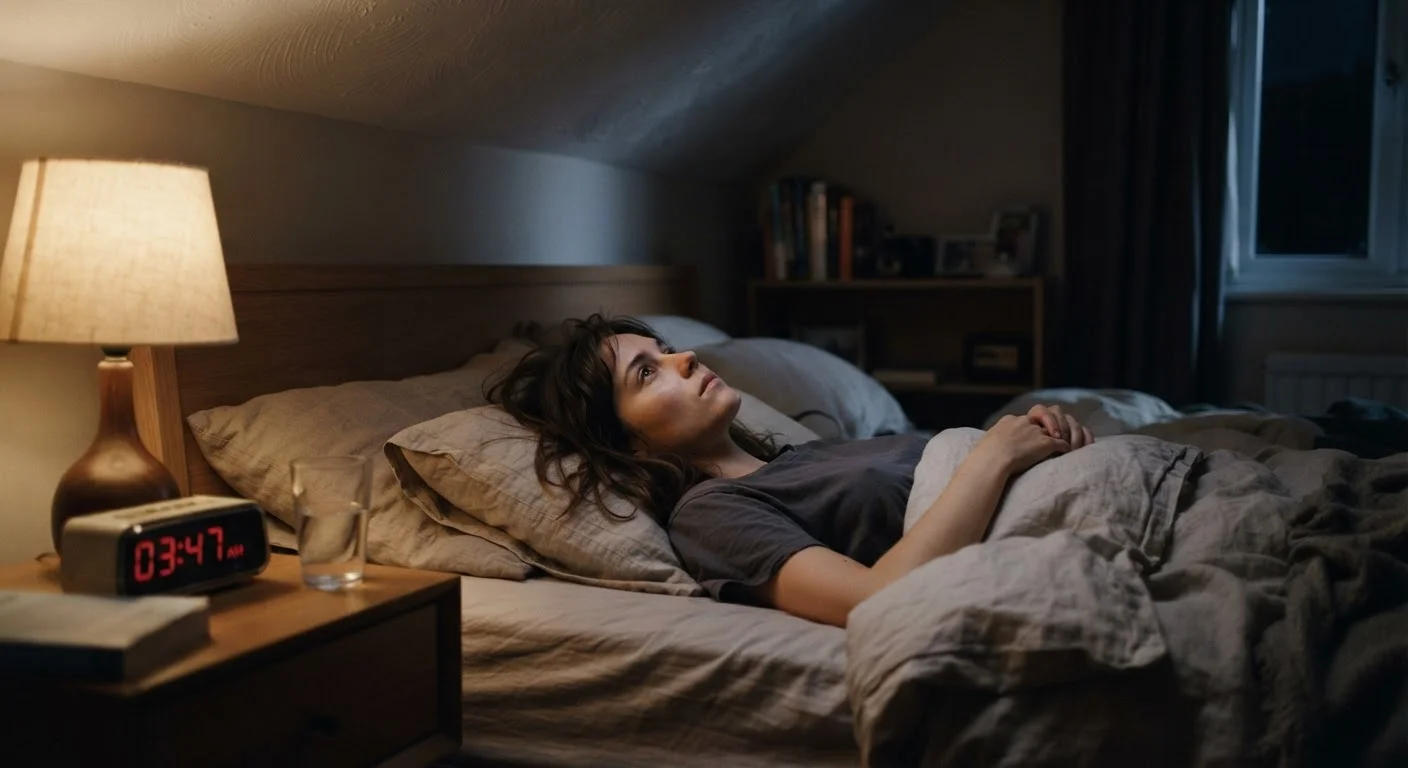
Most of us have been there: you know you need a good night's sleep, so you commit to doing everything right. You dim the lights, put the phone down early, and climb into bed at a sensible hour - and then lie there wide awake, frustrated. The effort itself becomes the problem.
Sleep is one of the few things in life that responds poorly to force. When the brain senses urgency or pressure to perform, it activates alerting systems - essentially the opposite of what's needed for rest. Sleep researchers refer to this as psychophysiological arousal, a state where worrying about sleep actively prevents it.
This is worth understanding, because many popular sleep tips are genuinely well-intentioned but get applied in ways that backfire. The habits below aren't bad ideas in principle - they just tend to go wrong in practice, often because of how or when they're used. For a broader look at how daily patterns interfere with rest, see our guide to everyday habits that disrupt sleep.
Sleep Problems Can Signal More Than Stress
Persistent difficulty sleeping - especially if it's been going on for weeks or affects your daily functioning - deserves professional attention, not just another round of habit adjustments. Conditions like sleep apnea, anxiety disorders, and depression commonly disrupt sleep in ways that lifestyle changes alone can't address. A healthcare provider is the right first call, not a wellness checklist. This article covers general information and is not a substitute for medical advice.
The Most Common Sleep Habit Mistakes
These are the well-meaning behaviors that most often get in the way of real, restorative rest.
Sleeping in on weekends to 'catch up' on lost rest.
Why it happens: After a draining week, a long Saturday sleep feels like a logical fix. The idea of a sleep 'debt' that can be repaid is intuitive, even if the science is more complicated.
Going to bed early 'just in case,' even when not sleepy.
Why it happens: Prioritizing sleep sounds responsible, and earlier feels safer. But spending more time in bed doesn't equal more sleep - it often means more time lying awake, building frustration.
Using your phone in bed for 'relaxing' content like videos or social media.
Why it happens: Scrolling feels passive and low-stakes compared to work emails. It genuinely does feel relaxing in the short term, which masks the fact that the screen light and mental engagement are priming your brain to stay alert.
Napping in the late afternoon to recover from a poor night.
Why it happens: A nap feels like the obvious remedy for daytime fatigue, and in many cases it does restore alertness. The timing is what causes the problem - afternoon naps taken close to evening can blunt the sleep pressure that helps you fall asleep at night.
Treating a pre-bed routine as a non-negotiable checklist.
Why it happens: Consistency in routines is genuinely helpful for sleep, so people build rituals and then hold onto them tightly. But when a missed step triggers anxiety - 'I didn't do my routine, I'll never sleep now' - the ritual itself has become a source of stress.
Watching the clock obsessively after waking in the night.
Why it happens: Checking the time feels like useful information - you want to know how much sleep you have left. In practice, it transforms a normal brief awakening into a math problem that increases alertness and worry.
1 in 3
U.S. adults not getting enough sleep
According to the CDC, roughly one in three American adults regularly get less than the recommended seven hours of sleep per night.
~70%
Insomnia cases linked to behavioral factors
Sleep researchers estimate the majority of chronic insomnia cases involve behavioral and psychological components that respond well to approaches like CBT-I.
Building Habits That Actually Help
The through-line in most sleep mistakes is rigidity or pressure - both of which are the enemy of rest. A good sleep habit is consistent without being compulsive, and flexible enough to adapt to real life.
One evidence-backed approach is keeping your wake time steady even when bedtime varies. This anchors your circadian rhythm (your body's internal clock) without requiring a perfect night every time. If your evenings are unpredictable, focus there first: our guide to building a wind-down routine offers practical ways to create a pre-bed ritual that fits actual schedules.
It's also worth remembering that sleep affects far more than energy levels. Research consistently links poor sleep to mood regulation, immune function, and physical recovery - as explored in depth in Sleep and Physical Health: What the Research Says. The stakes are real, which is why trading ineffective habits for evidence-backed ones matters.
Don't Let Sleep Anxiety Take Hold
If you find yourself dreading bedtime, mentally rehearsing everything that could go wrong, or feeling like sleep is something you have to 'perform,' that pattern is worth paying attention to. Sleep anxiety can develop gradually and make rest feel increasingly elusive. Cognitive behavioral therapy for insomnia (CBT-I) is widely considered the most effective long-term approach to this cycle - and is available through many therapists and some digital programs. Discuss options with a qualified professional to find what fits your situation.
If sleep problems persist despite your best efforts, that's a signal worth taking seriously. A healthcare provider can help rule out underlying causes - including sleep disorders, anxiety, or other conditions that respond to targeted treatment rather than habit tweaks alone. General wellness information, including what you're reading here, is never a substitute for professional guidance tailored to your situation.
This article is for general informational purposes only and does not constitute medical advice. If you have concerns about your sleep or health, please consult a qualified healthcare professional.