

Key Takeaways
- Start with a clear picture of your actual lifestyle before buying anything.
- A small collection of versatile basics outperforms a large closet of mismatched pieces.
- Fit matters more than price - a well-fitting garment always looks more polished.
- Secondhand sources can stretch your budget significantly without sacrificing quality.
- Build gradually and resist the urge to fill everything at once.
What you will need
Before You Buy Anything: Know Your Life First
The most common wardrobe-building mistake is shopping before doing any honest self-assessment. You end up with clothes that reflect who you imagine yourself to be rather than who you actually are day to day.
Start by tracking a typical week. How many days do you need business-casual or professional attire versus relaxed daywear? Do you spend weekends outdoors, at home, or socializing? Are you attending formal events regularly or rarely? Your answers should drive every purchase decision.
If your closet already has some items, it helps to read through why a full closet can still feel empty before starting fresh - you may find you already have a workable foundation hiding in plain sight.
What you will need
Set a Realistic Spending Plan
There's no magic number that works for everyone, but having a total ceiling before you walk into any store (or open any app) prevents impulse spending that leaves you with duplicates and no room in the budget for what you actually need.
Divide your budget roughly into tiers: allocate more toward high-contact pieces you'll wear constantly - everyday pants, a reliable jacket, versatile footwear - and less toward occasional-wear items. Think in terms of cost-per-wear over time rather than sticker price alone.
Think in Outfits, Not Individual Items
Before adding any piece to your cart or basket, mentally pair it with at least two things you already own. If you can't make two complete outfits with it, it may not be a useful addition yet. This simple test dramatically reduces the number of orphan items that never get worn.
For ideas on how to approach budget planning across different life purchases, our piece on building a budget that holds up under real-world pressure uses a similar framework you may find transferable.
What to Look For (and What to Skip)
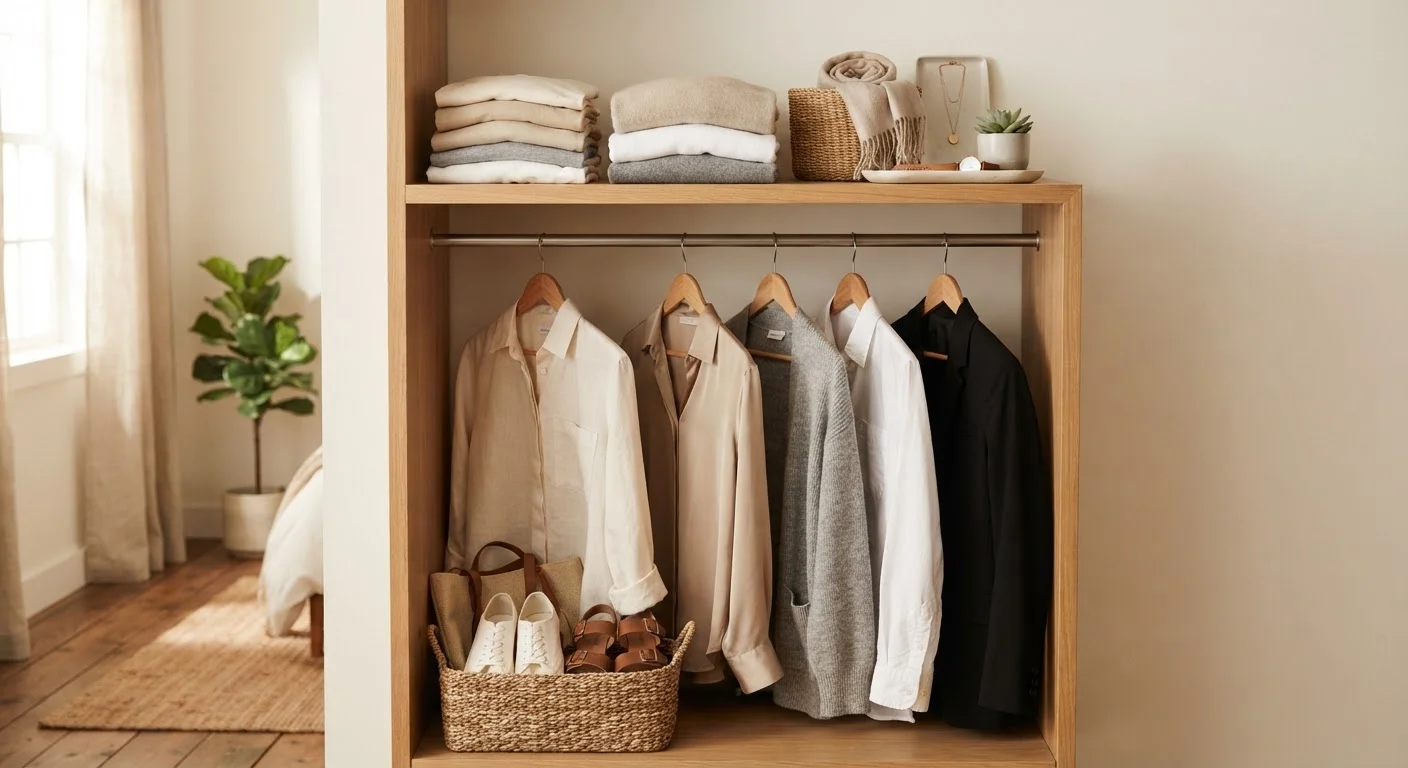
A functional starting wardrobe centers on pieces that work in combination with each other - sometimes called a "capsule" approach. Aim for neutral or low-contrast colors in your core items so they naturally mix and match. From there, add a small number of items with pattern or bolder color to provide variety without chaos.
Fit is the single biggest variable in whether a garment looks good on you. As our related guide explains, a well-fitted piece at any price point outperforms an expensive one that doesn't suit your frame. Prioritize fit over brand every time.
On the question of trend versus timeless: leaning heavily into current trends when building from scratch is risky - you may find those pieces feel dated sooner than you'd like. A thoughtful balance is worth understanding before you commit. Weighing classic staples against trendier items is a worthwhile read at this stage.
Audit what you already own
Pull everything out and separate what you genuinely wear from what you haven't touched in over a year. Donate or set aside the latter. This gives you an honest picture of your real starting point.
Identify your actual gaps
Based on your lifestyle assessment, list the categories where you're consistently under-equipped. Common gaps include everyday bottoms, a reliable layer for transitional weather, and casual footwear that works across multiple contexts.
Prioritize by frequency of need
Rank your gap list by how often you'd reach for that item in a normal week. Items at the top of the list get funded first. Lower-frequency items can wait until later shopping rounds.
Shop with a written list
Enter any shopping environment - physical store, app, or website - with your prioritized list visible. Only consider items on it. This single habit prevents most impulse purchases that derail budgets.
Try before you commit (whenever possible)
Always try on before purchasing in-store. For online purchases, check the return policy before ordering and treat the first wear indoors as a final fit check before removing tags.
Fill remaining gaps gradually
Return to your list over the following weeks or months to fill secondary priorities. Building incrementally prevents overspending and lets you evaluate how early purchases actually perform before adding more.
Making Your Wardrobe Work Long-Term
Once your foundation is in place, the goal shifts from building to maintaining. Resist restocking out of boredom - instead, use seasonal check-ins to evaluate what's getting worn and what isn't. A structured approach to this process, like the one in a seasonal wardrobe audit checklist, keeps things from drifting back into chaos.
Avoid the 'Fresh Start' Spending Trap
Starting a wardrobe from scratch can feel like permission to spend freely, especially if you're motivated by a life change. But overspending early leaves you unable to fill important gaps later. Pace yourself, work from your prioritized list, and recognize that a complete wardrobe is built over time - not in a single shopping trip.
Secondhand and resale options deserve a real look, especially when you're working within limits. Thrift stores, consignment shops, and resale apps vary widely in quality and value - learning what works well and what to watch out for when buying secondhand can help you shop those sources confidently.