

Key Takeaways
- The core includes muscles of the abdomen, back, pelvis, hips, and even the diaphragm - not just the abs.
- Core stability protects the spine and supports nearly every physical activity, including sitting and walking.
- Crunches target only a small part of the core and can place strain on the lower back if done exclusively.
- Exercises like planks, dead bugs, and bird-dogs engage the deep stabilizing muscles more effectively.
- A weak core is linked to lower back pain, poor posture, and reduced athletic performance.
- Always consult a healthcare professional before starting a new exercise program, especially with existing pain or injury.
Core Strength
Core strength refers to the ability of the muscles surrounding your trunk - including your abdomen, back, pelvis, and hips - to work together to stabilize and move your body efficiently. It is not limited to visible abdominal muscles. A strong core acts as a foundation for nearly every movement you make, from getting out of bed to lifting groceries or maintaining good posture at a desk.
Researchers and physical therapists often distinguish between 'core stability' (the ability to resist unwanted movement) and 'core strength' (the capacity to generate force); both are essential for functional health and injury prevention.
The Core Is Not What Most People Think It Is
When most people hear "core," they picture a flat stomach or a six-pack. In reality, the core is a complex, three-dimensional system of muscles that wraps around the entire trunk of the body. It includes the transverse abdominis (your deepest abdominal layer), the multifidus and erector spinae along the spine, the obliques on the sides, the pelvic floor beneath, the diaphragm above, and the hip and glute muscles that anchor everything below.
These muscles don't work in isolation. They function as an integrated unit - bracing, stabilizing, and transferring force across the body. When one part of the system is weak or poorly coordinated, other structures, particularly the lower back, often compensate and become overloaded.
Core Stability vs. Core Strength
These terms are related but not identical. Core stability refers to the ability to hold the spine and pelvis steady under load or during movement - resisting forces rather than producing them. Core strength refers to the capacity to generate force through trunk muscles. Both qualities matter, and a good training program develops each. Focusing only on strength without stability is a common oversight that can leave the spine vulnerable.
Why Crunches Fall Short
The crunch has been a staple of fitness culture for decades, but exercise science has largely moved beyond it as the primary core exercise. Here's why:
- Limited muscle recruitment: Crunches primarily work the rectus abdominis - the outermost, most visible abdominal muscle - while contributing little to the deeper stabilizers that protect the spine.
- Spinal loading: Repeated spinal flexion under load, especially without supporting movement patterns, can place significant compressive force on lumbar discs over time.
- Functional mismatch: In everyday life and sport, the core's primary job is to resist movement - holding the spine steady while limbs move - rather than repeatedly folding the trunk forward.
This doesn't mean crunches have zero place in a fitness routine, but building genuine core strength requires a broader approach.
Focus on Form Before Volume
When learning core stability exercises, slow down and focus on whether you can feel the right muscles engaging before adding more repetitions or difficulty. A physical therapist or certified trainer can help you verify your technique, especially if you are new to these movements or have a history of back problems.
Smarter Ways to Build Core Strength
Effective core training prioritizes stability and control across a range of movement patterns. A few well-established categories include:
- Anti-extension exercises
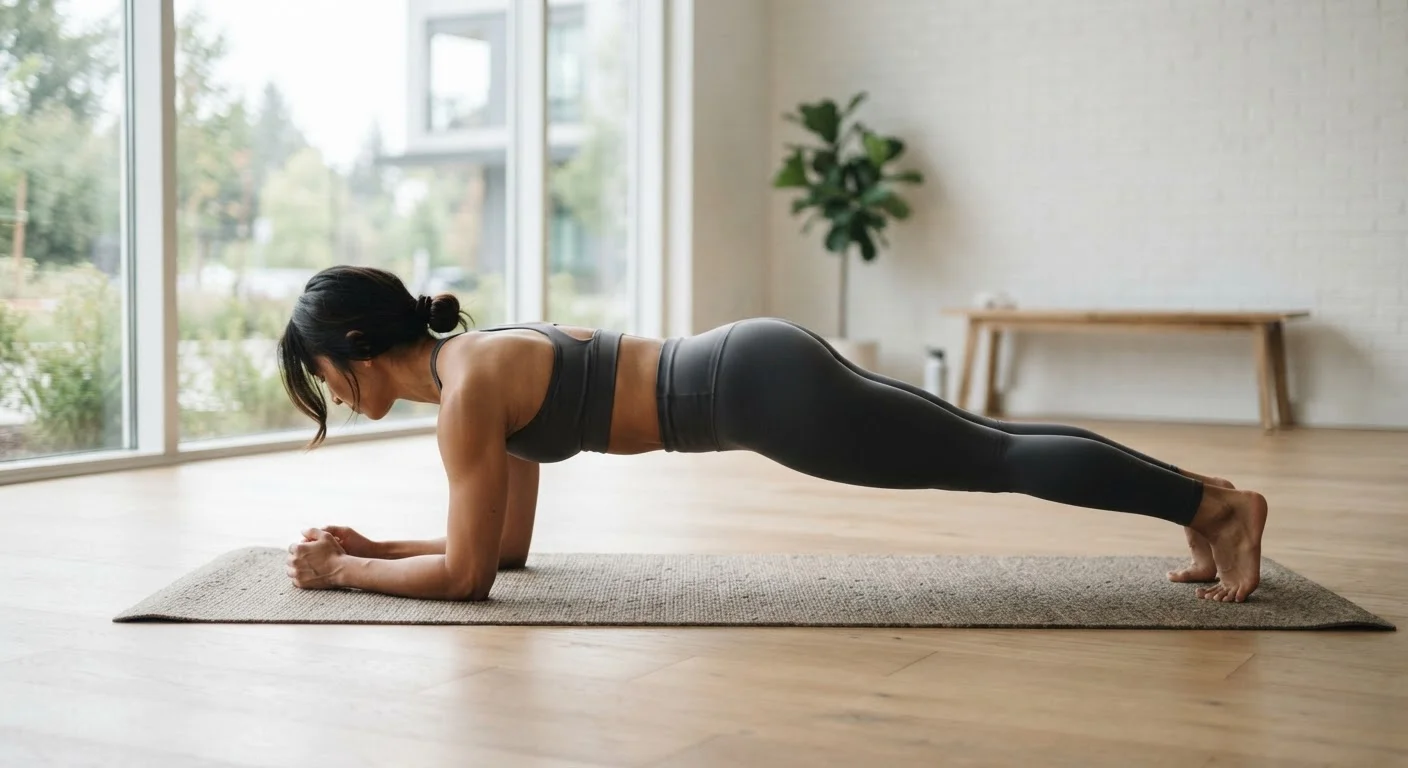
- Planks and dead bugs challenge the core to resist the spine being pulled into extension. These engage the transverse abdominis and multifidus more directly than crunches.
- Anti-rotation exercises
- Movements like the Pallof press (using a resistance band or cable) train the obliques and deep stabilizers to prevent unwanted rotation - a demand common in daily life and athletics.
- Hip hinge and compound movements
- Exercises like glute bridges and bodyweight squats engage the core indirectly while reinforcing coordination between the trunk and lower body.
- Carry exercises
- Simply carrying an uneven load - such as a suitcase carry with one arm - demands constant trunk stabilization and builds real-world core endurance.
Form and control matter more than intensity or repetition count. Moving slowly and deliberately through these patterns recruits the stabilizing muscles that high-speed, momentum-driven exercises often bypass.
~80%
Adults who experience low back pain at some point
Estimates from public health researchers suggest that up to 80% of American adults will experience low back pain at some point in their lives, making core health a broadly relevant concern.
29+
Muscles considered part of the core system
Anatomists and physical therapists identify roughly 29 muscles that contribute to spinal and pelvic stability, underscoring how far the core extends beyond the abdominals alone.
Core Stability in Everyday Life
Core strength isn't just an athletic concern. It underpins everyday activities like lifting a bag of groceries, reaching overhead, maintaining posture during long hours at a desk, and even breathing efficiently. The diaphragm - the primary breathing muscle - is increasingly recognized as a core stabilizer; poor breathing mechanics can interfere with trunk stability.
Low back pain, which affects a significant portion of American adults at some point in their lives, is frequently associated with poor core muscle coordination rather than outright weakness alone. Research suggests that targeted stability training can play a meaningful role in managing and preventing recurrence of back pain, though it is rarely the only factor involved.
If you experience persistent back pain, pain during exercise, or have had a recent injury, speak with a physical therapist or physician before starting a new core training program. They can assess your specific movement patterns and recommend exercises appropriate for your situation.
This article is for general informational and educational purposes only and does not constitute medical advice. Always consult a qualified healthcare professional before beginning any new exercise program or if you have concerns about pain or injury.