

Key Takeaways
- About 70% of sodium in the American diet comes from packaged, processed, and restaurant foods.
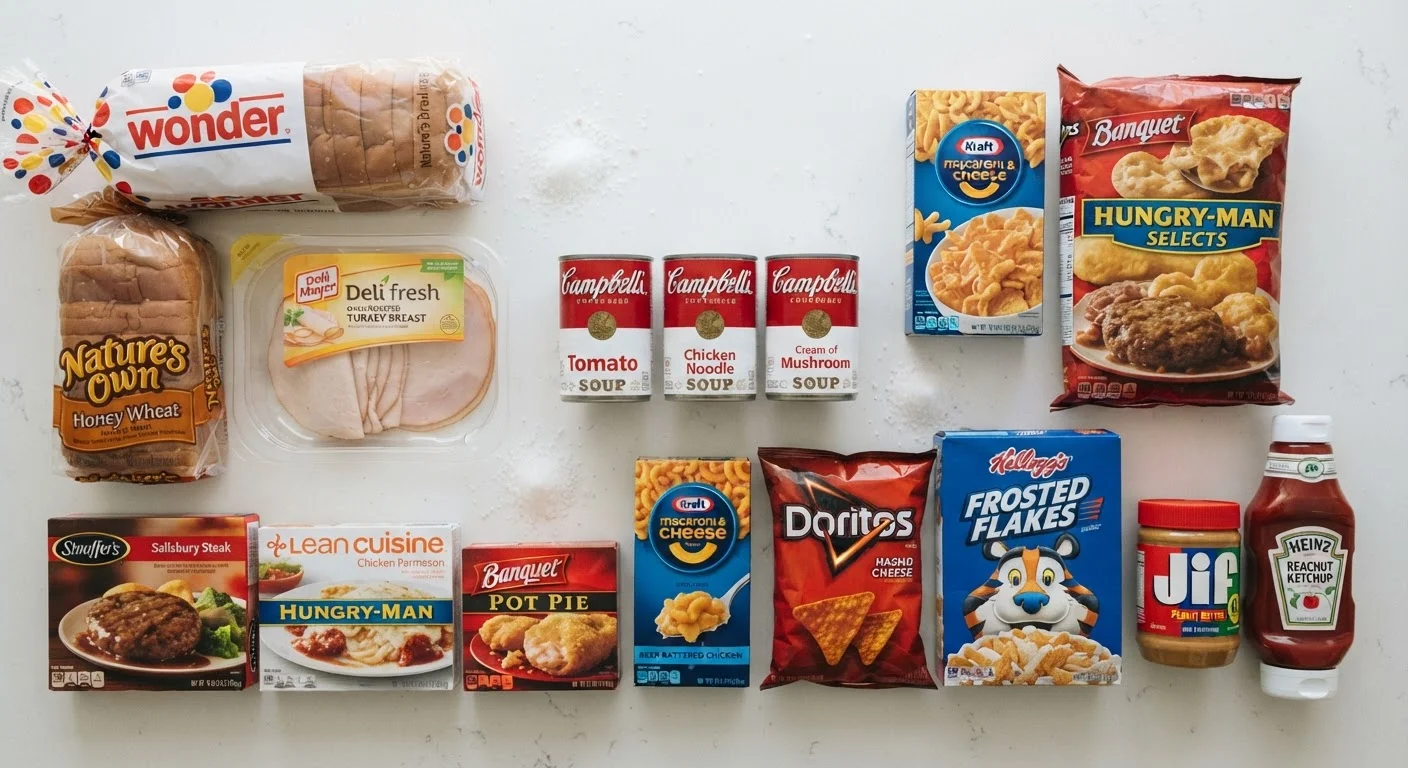
- Bread, cold cuts, canned soups, and pizza are among the top contributors to daily sodium intake.
- The saltshaker at the table accounts for only a small fraction of total sodium consumed.
- Reducing sodium often means rethinking grocery choices, not just skipping the salt shaker.
- The Dietary Guidelines for Americans recommend limiting sodium to 2,300 mg per day for adults.
- Even foods that don't taste salty can be significant sources of sodium.
Dietary Sodium
Sodium is a mineral that occurs naturally in many foods and is also added during food processing and preparation. It is an essential nutrient - the body needs a small amount for nerve signaling and fluid balance - but most Americans consume far more than they need. Dietary sodium refers to all sources of sodium consumed through eating and drinking, not just what comes from a saltshaker.
Sodium and salt are often used interchangeably, but they are not the same thing. Table salt (sodium chloride) is approximately 40% sodium by weight, so 1 teaspoon of salt contains roughly 2,300 milligrams of sodium.
The Saltshaker Is Not the Problem
Many Americans assume that if they stop salting their food at the table, they are meaningfully cutting their sodium intake. In reality, the saltshaker is responsible for only a small share - roughly 5 to 6 percent - of the sodium the average American consumes each day. The far larger portion is already built into the food before it ever reaches a plate.
Research from the Centers for Disease Control and Prevention (CDC) has consistently shown that approximately 70 percent of dietary sodium comes from packaged, processed, and restaurant foods. Another roughly 15 percent occurs naturally in foods, and the remaining fraction is added during home cooking or at the table.
This distinction matters because it changes what an informed approach to sodium actually looks like. It shifts attention from personal habits at mealtime to the broader food environment and the products that dominate American grocery carts. As noted in our piece on common nutrition myths, what we believe about where dietary problems come from is often incomplete - and sodium is a clear example.
~70%
Sodium from processed and restaurant foods
According to CDC research, roughly 70% of daily sodium intake in the US comes from packaged, processed, and restaurant-prepared foods.
2,300 mg
Recommended daily sodium limit for adults
The Dietary Guidelines for Americans set 2,300 mg per day as the upper limit for most adults, equivalent to about one teaspoon of table salt.
~3,400 mg
Average daily sodium intake in the US
CDC data indicates the average American consumes around 3,400 mg of sodium per day - roughly 50% more than the recommended limit.
The Foods That Contribute Most
Sodium is not concentrated in one food category - it is distributed across many everyday staples, which is part of why total intake climbs so easily. According to CDC data, the top sources of sodium in the American diet include:
- Breads and rolls - a single slice can contain 100-200 mg of sodium, and most Americans eat multiple servings per day.
- Processed and cured meats - deli turkey, ham, salami, and bacon are all high-sodium foods by design; salt acts as a preservative and flavor enhancer.
- Canned and packaged soups - a single can of condensed soup can exceed 800 mg of sodium per serving.
- Pizza - between the crust, sauce, and processed meat toppings, a few slices can approach an entire day's recommended intake.
- Savory snacks - chips, crackers, and pretzels are obvious sources, but portion sizes are frequently underestimated.
- Cheese and mixed dishes - including burritos, sandwiches, and pasta dishes that combine several sodium-containing ingredients.
What makes this list notable is how ordinary these foods are. These are not specialty items - they are the backbone of everyday American eating. Historical and cultural forces have made convenience and processed foods central to American food patterns, which means high sodium intake is partly structural, not just a matter of individual choice.
Reading Labels and Making Practical Adjustments
The Nutrition Facts label is one of the most effective tools available for managing sodium intake. The label lists sodium per serving in milligrams and also as a percentage of the Daily Value, which is based on 2,300 mg per day. A product with 20% or more of the Daily Value per serving is considered high in sodium; 5% or less is generally considered low.
Some practical adjustments that can reduce sodium without requiring dramatic dietary changes:
- Compare sodium content between similar products - brands can vary by hundreds of milligrams for the same item.
- Choose "no salt added" or "reduced sodium" versions of canned vegetables, beans, and soups when available.
- Rinse canned beans and vegetables under water, which can remove a portion of added sodium.
- Cook more meals from whole, minimally processed ingredients, where you control what goes in.
- Be cautious with condiments - soy sauce, hot sauce, and many salad dressings are concentrated sodium sources.
Use the Nutrition Facts Label Strategically
When comparing two similar products at the grocery store, check the sodium per serving side by side. Small differences add up over multiple servings and days. Aim for options where sodium is 10% of the Daily Value or less per serving when possible, particularly for staple foods you eat daily like bread, soup, and condiments.
Reducing sodium intake gradually - rather than all at once - can help the palate adjust over time, making lower-sodium foods taste satisfying rather than bland. Any significant dietary changes, especially for those managing blood pressure, kidney disease, or heart conditions, should be discussed with a qualified healthcare provider.
This article is for general informational and educational purposes only and does not constitute medical or nutritional advice. Consult a qualified healthcare professional for guidance specific to your health needs.