

Key Takeaways
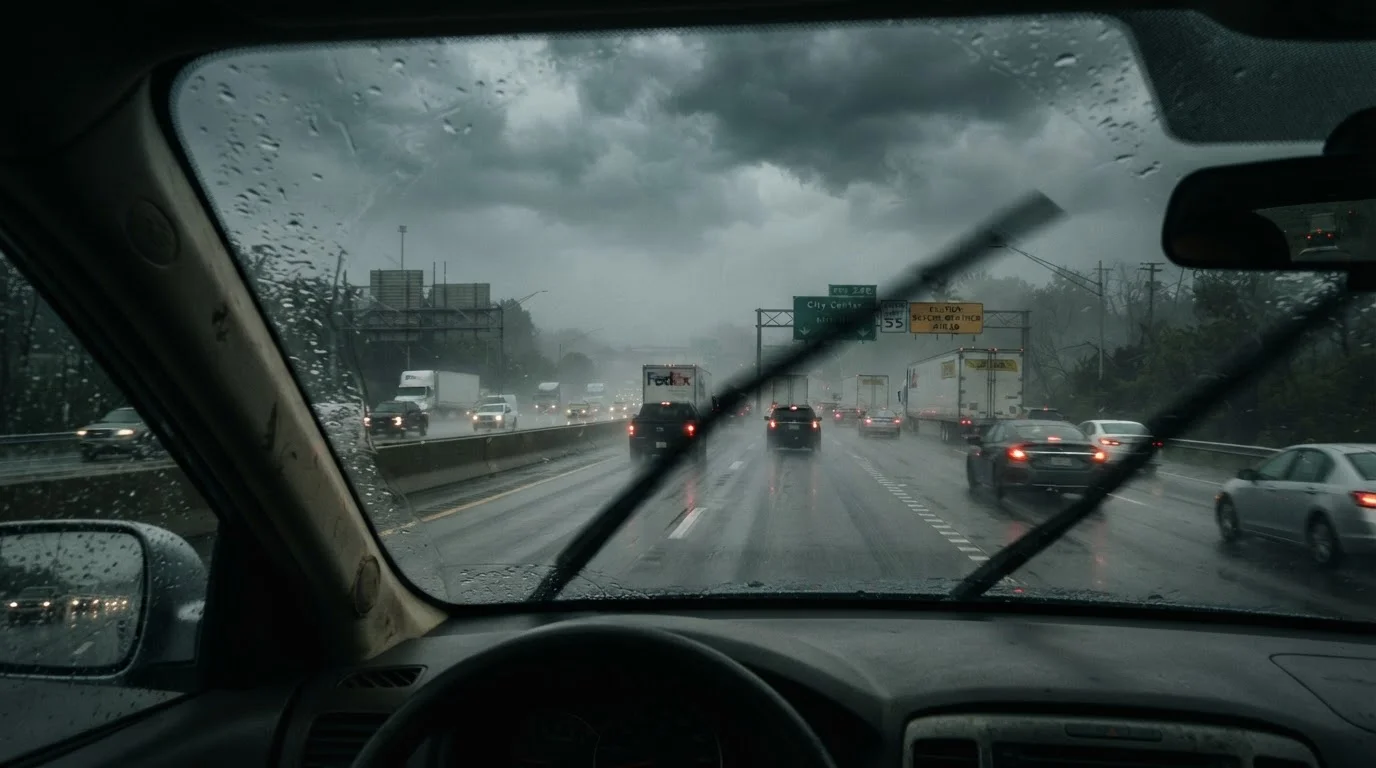
- Rain reduces tire traction and can cause hydroplaning, especially at highway speeds on standing water.
- Snow and ice demand the longest stopping distances of any common weather condition.
- Fog is primarily a visibility hazard - speed reduction and proper light use are the core adjustments.
- High wind affects vehicle control most severely for tall vehicles, trailers, and during lane changes.
- No single adjustment covers all weather - each condition calls for a distinct set of driver responses.
Our Verdict
Rain, snow, fog, and high wind each alter road dynamics in fundamentally different ways, and treating them as interchangeable is a common mistake. Snow and ice present the most severe traction loss; fog creates the most acute visibility danger; rain blends both; and high wind introduces unpredictable lateral forces most drivers underestimate. Building confidence in adverse weather starts with understanding exactly what each condition does to your vehicle and your environment.
| Best for | Recommended |
|---|---|
| Drivers concerned about traction loss and skidding | Snow and ice guidance |
| Drivers who frequently encounter low-visibility conditions | Fog driving techniques |
| Highway commuters in variable weather | Rain and high wind strategies |
| Those towing trailers or driving tall vehicles | High wind precautions |
Why Weather Type Matters More Than Weather Severity
Many drivers default to a single bad-weather response: slow down and be careful. While that instinct isn't wrong, it's incomplete. Rain, snow, fog, and high wind each interfere with driving through different mechanisms - traction, visibility, lateral stability, and braking distance are affected in very different proportions depending on which condition you're in.
A driver who brakes confidently in rain may panic on black ice. Someone comfortable in light fog may fail to anticipate wind gusts on an open bridge. Building real confidence in adverse weather means understanding each condition on its own terms - not treating them as one undifferentiated hazard. For a broader framework on anticipating road dangers, see our guide to defensive driving.
| Rain | Snow/Ice | Fog | High Wind | |
|---|---|---|---|---|
| Primary hazard | Reduced traction, hydroplaning | Severe traction loss, long stops | Near-zero visibility | Lateral vehicle displacement |
| Braking distance impact | Moderate increase | Severe increase (2-3×) | Minimal direct impact | Minimal direct impact |
| Visibility reduction | Moderate | Moderate to severe | Severe to complete | Light to moderate |
| Speed adjustment needed | 5-10 mph below limit | Substantial reduction | Match sight distance | Reduce; avoid gusts |
| Headlight guidance | Low beams on | Low beams on | Low beams or fog lights | No special change needed |
| Highest risk vehicle type | Worn tires, high speed | All vehicles equally | All vehicles equally | Tall vehicles, trailers |
| Most common driver mistake | Maintaining highway speed | Trusting AWD for braking | Using high-beam headlights | Abrupt steering corrections |
Driving in Rain: Traction Loss Comes Faster Than You Think
Rain's primary danger is reduced tire-to-road friction. A wet road can cut traction by 25-35% compared to dry pavement, and standing water at speed raises the risk of hydroplaning - where your tires ride on a film of water and lose contact with the road surface entirely. This can happen at speeds as low as 35 mph on worn tires.
Key adjustments in rain include reducing speed by at least 5-10 mph below posted limits, increasing following distance to at least four seconds, and avoiding sudden steering inputs or hard braking. Turn on headlights even in light rain - this improves your visibility to other drivers, not just your own sightlines. If you feel the vehicle begin to float or the steering go light, ease off the accelerator gently without braking hard. Learn more about the mechanics in our article on hydroplaning and how to respond.
Driving in Snow and Ice: When Stopping Distance Multiplies
Snow and ice represent the most dramatic traction reduction a driver will commonly encounter. On packed snow, stopping distances can be two to three times longer than on dry pavement. On black ice - a thin, nearly invisible glaze that forms when temperatures hover around freezing - traction can drop to near zero with no visual warning.
The cardinal rule on snow and ice is to reduce speed significantly and never trust momentum. All-wheel drive and four-wheel drive help with acceleration but provide little advantage during braking. If your vehicle begins to skid, steer gently in the direction you want the front of the car to go and avoid aggressive braking. Anti-lock braking systems (ABS) are designed to help in these conditions - apply steady, firm pressure rather than pumping the pedal. Before winter driving season, ensure your tires, brakes, and fluid levels are properly prepared; our seasonal car maintenance guide covers these checks in detail.
Check Your Tires Before Every Winter Drive
Tire tread depth is one of the most important factors in snow and ice traction. A simple way to check: insert a quarter into the tread groove with Washington's head facing down - if you can see the top of his head, tread depth is getting low. Cold temperatures also reduce tire pressure, so verify inflation before heading out. Properly inflated tires with adequate tread make a measurable difference in stopping distances on slippery roads.
Driving in Fog: When the Road Ahead Disappears
Fog is almost purely a visibility problem, but it's a deceptive one. Dense fog can reduce sight distance to less than 100 feet, yet many drivers maintain highway speeds - a dangerous mismatch between reaction time and stopping distance. The instinct to use high-beam headlights in fog is also counterproductive: high beams reflect off water droplets and create glare that further reduces visibility. Use low beams or dedicated fog lights instead.
In heavy fog, reduce speed substantially and use the road's edge markings or painted lines as a guide rather than the vehicle ahead. Avoid making sudden lane changes or stops. If fog becomes too dense to drive safely, pull well off the road, turn off your headlights (so others don't follow your tail lights into a stopped vehicle), and turn on your hazard lights. Fog shares some dynamics with nighttime driving - our article on night driving hazards offers complementary strategies.
Driving in High Wind: The Hazard Most Drivers Underestimate
Wind doesn't affect traction directly, but it introduces lateral forces that can push a vehicle out of its lane - sometimes without warning. Sustained gusts above 40-50 mph are hazardous for most passenger cars; for tall vehicles, SUVs, box trucks, or anyone towing a trailer, dangerous crosswinds can occur at lower speeds. Wind hazards intensify at highway speeds, on open roads, bridges, and when emerging from gaps between buildings or tree lines.
In high wind, keep a firm grip on the steering wheel with both hands, reduce speed, and increase lane-centering awareness. Be especially cautious when passing large trucks, as the wind shadow they create can cause a sudden lateral push when you emerge from alongside them. Avoid abrupt steering corrections - small, deliberate adjustments maintain control better than reactive jerks. Before driving in any severe conditions, a pre-departure vehicle check is worthwhile; our pre-trip vehicle checklist helps ensure your tires, mirrors, and systems are ready for the road ahead.