

Key Takeaways
- Prestige TV emerged as a marketing and critical label in the late 1990s, anchored by HBO dramas like 'The Sopranos' and 'The Wire.'
- The term describes a cluster of qualities - cinematic production, complex narratives, auteur involvement - rather than any single defining rule.
- Streaming platforms adopted and expanded the prestige model, blurring the line between what counts as truly distinctive.
- Critics increasingly question whether the label still means anything useful in an era of near-universal 'quality' television.
- Understanding the term helps viewers navigate promotional language and set realistic expectations for new shows.
Prestige TV
Prestige TV refers to a category of television programming distinguished by high production budgets, cinematic visual style, complex storytelling, and the involvement of well-known creative talent - often filmmakers or actors historically associated with film. The term is used to signal that a show is positioned as serious, artistically ambitious work rather than mass-market entertainment. It carries an implicit promise: this is television worth your sustained attention.
Critics sometimes use the more precise phrase 'quality television' interchangeably, though that label predates the streaming era and originates in academic media studies discourse from the 1990s and early 2000s.
Where the Label Came From
The story of prestige TV begins with a network that decided to rewrite television's self-image. In the late 1990s, HBO - then a premium cable channel distributed by subscription - began making shows that openly challenged the conventions of American network television. The tagline "It's Not TV. It's HBO" was more than marketing. It was a philosophical declaration: some television could aspire to the cultural standing of cinema or literary fiction.
"The Sopranos," which premiered in 1999, became the landmark. It imported the moral ambiguity and visual grammar of American crime films into a serialized format, drawing filmmakers, critics, and audiences who had previously dismissed television as a lesser medium. "The Wire," "Deadwood," and "Six Feet Under" followed in the same decade, each reinforcing the idea that television could carry the weight of serious social or aesthetic ambition.
Critics and academics were already thinking along these lines. Media scholars had been writing about "quality television" since at least the 1980s, examining shows like "Hill Street Blues" and "St. Elsewhere" as departures from the norm. What changed at the turn of the millennium was scale and visibility - prestige TV became a recognizable cultural category, not just an academic designation.
What the Term Actually Describes
Prestige TV is best understood as a cluster concept - a label applied when enough qualifying features appear together, rather than when any single rule is met. High production budgets. Serialized, novelistic narrative arcs that reward sustained viewing. The involvement of prominent directors, film actors, or celebrated novelists adapting their own work. Themes that signal seriousness: violence, moral failure, social systems, power.
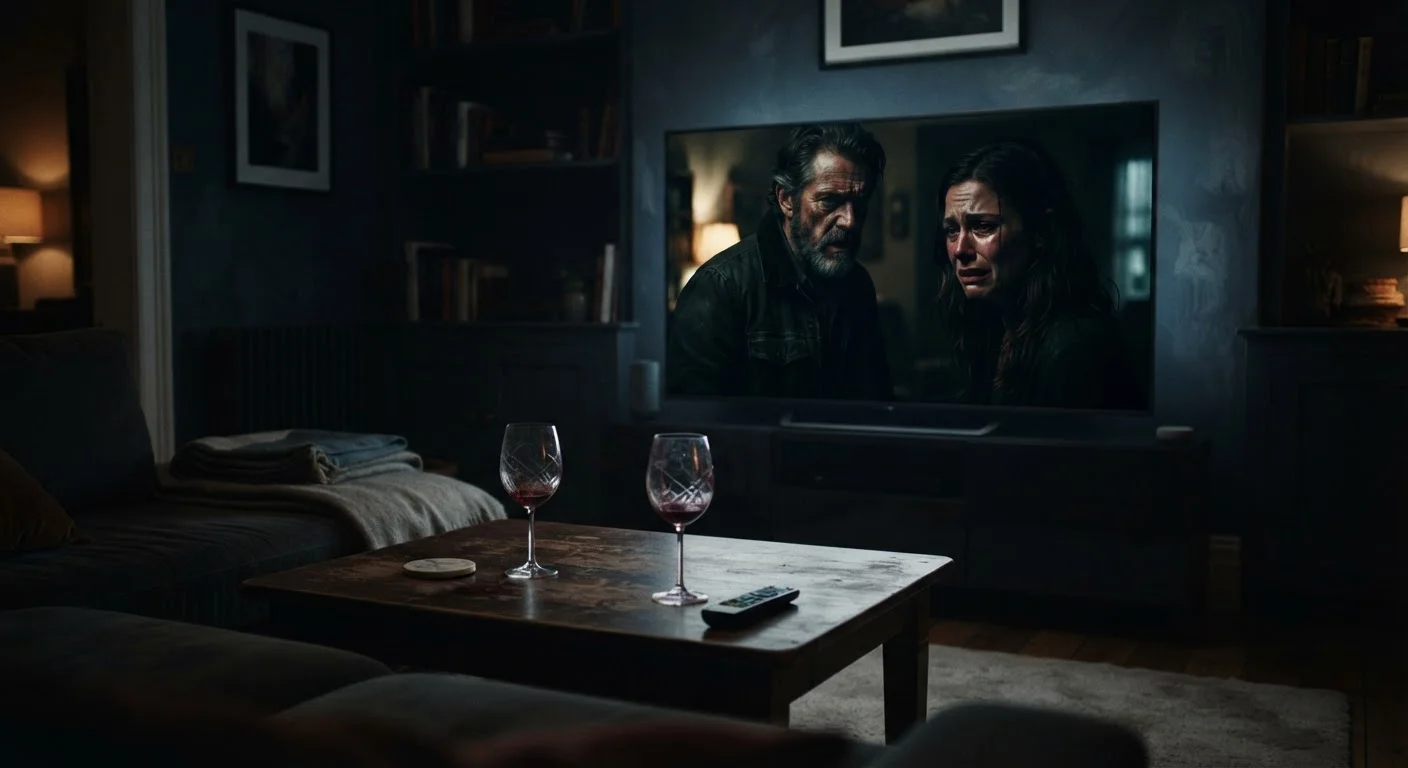
The cinematography matters, too. Prestige dramas are typically shot to look like films - wide-screen compositions, controlled color palettes, deliberate pacing. This visual language signals ambition and justifies the implicit ask: pay attention, this repays close watching.
532
Original scripted series on U.S. TV in one year
FX Networks reported that approximately 532 original scripted series aired across U.S. television in 2019, illustrating the scale of content production that has made prestige distinctions harder to sustain.
1999
Year 'The Sopranos' premiered on HBO
The premiere of 'The Sopranos' is widely cited by critics and media historians as the moment that crystallized what prestige television could mean for American audiences.
~$15M
Reported per-episode cost for some prestige dramas
Trade reporting on shows like 'Game of Thrones' and 'The Crown' in later seasons cited per-episode budgets approaching or exceeding $15 million, a figure that underscores how production cost became part of prestige signaling.
What the label does not mean is objectively better. It describes a set of production choices and creative postures, many of which became so reliably replicated that they eventually constituted their own genre conventions - the brooding antihero, the slow-burn first episode, the morally knotty finale. Prestige TV has its own clichés, just expensive ones.
How Streaming Changed the Equation
When Netflix, Amazon Prime Video, and later HBO Max, Apple TV+, and Peacock entered the original programming market, they borrowed the prestige model wholesale. Original series became the primary battleground for subscriber acquisition, and "cinematic" production values stopped being unusual. The result was a kind of prestige inflation: when everything is exceptional, the word loses its meaning.
This shift has real implications for how audiences navigate the landscape. A trailer that emphasizes moody lighting, an A-list cast, and a festival-circuit director no longer reliably signals that a show will deliver on its promises. The aesthetic markers of prestige became replicable shorthand that could be assembled without the underlying creative coherence that made earlier examples feel genuinely distinctive.
For context on how release strategy shapes a project's perceived seriousness and longevity, see our piece on theatrical vs. streaming release paths - similar questions about status and visibility apply to prestige television when it migrates across platforms.
Whether the Label Still Holds Up
The honest answer is: partially. "Prestige TV" still communicates something - a viewer who hears the term understands they're being pointed toward ambitious, adult-oriented drama with craft behind it. As a rough navigation tool, it retains usefulness.
But critics have grown increasingly skeptical of the category's evaluative power. When the label functions primarily as marketing - a way to justify subscription costs or prime awards-season positioning - it tells viewers more about how a show is being sold than what watching it will actually feel like. Some of the most creatively vital television of recent years has arrived in formats and genres that the prestige frame would traditionally overlook: reality competitions, animated comedies, short-form anthology series.
“The prestige drama has become its own genre, with its own conventions and its own clichés - and like any genre, it can be done brilliantly or by rote.”
— Emily Nussbaum, Pulitzer Prize-winning television critic, The New Yorker
The most useful thing a viewer can take from understanding prestige TV is a sharpened sense of what promotional language is actually promising. High production values are real and often enjoyable, but they don't guarantee emotional resonance or storytelling coherence. Watching critically - asking what a show is trying to do and whether it's doing it - matters more than any label applied before the first episode airs.